

Medicare Advantage tools for seniors simplify the complex process of selecting, comparing, and managing health insurance coverage. These digital resources help individuals aged 65 and older navigate plan options, understand costs, and make informed healthcare decisions. This guide examines essential tools available to seniors exploring Medicare Advantage plans and explains how each resource contributes to better coverage outcomes.
Table of Contents
What Are Medicare Advantage Tools for Seniors?
Medicare Advantage tools for seniors encompass websites, comparison platforms, mobile applications, and advisory services designed to assist older adults with Medicare Part C enrollment and management. Unlike traditional paper-based comparison methods, these digital solutions aggregate plan data from multiple insurers and present information in accessible formats.
Primary categories include:
- Government-operated plan comparison websites
- Independent insurance broker platforms
- Insurance company proprietary tools
- Mobile health management applications
- Educational resource centers
- Licensed agent consultation services
Seniors face unique challenges when evaluating Medicare Advantage plans. The average beneficiary encounters over 40 different plan options in their coverage area. Each plan varies in monthly premiums, coverage networks, prescription drug formularies, and supplemental benefits like dental or vision care. Traditional methods of calling individual insurance companies or reviewing printed materials prove time-consuming and often overwhelming.
Digital tools address these barriers by consolidating plan information into searchable databases. Users enter their location, current medications, and preferred healthcare providers to receive personalized plan recommendations. The technology filters thousands of options down to manageable lists matching specific health needs and budget constraints.
The distinction between Medicare Advantage tools matters for understanding which resource serves specific purposes. Government tools emphasize unbiased information and enrollment capabilities. Insurance company platforms showcase their proprietary offerings with detailed benefit explanations. Independent broker sites provide cross-company comparisons with personalized assistance from licensed professionals.
Modern seniors increasingly adopt technology for healthcare management. Studies show over 70 percent of adults aged 65-plus use the internet regularly. This demographic shift makes digital Medicare tools more relevant and accessible than previous generations experienced. However, tool design must account for varying comfort levels with technology, ensuring interfaces remain intuitive for users with limited digital experience.
How Medicare Advantage Tools for Seniors Work
Most Medicare Advantage tools operate through web-based interfaces accessible via desktop computers, tablets, or smartphones. The basic workflow follows a structured data collection and comparison process designed to match seniors with suitable coverage options.
Standard operational sequence:
- User enters ZIP code to identify available plans in service area
- System requests current prescription medications with dosages
- Tool asks for preferred doctors, specialists, and hospitals
- Platform displays plans ranked by estimated annual costs
- Detailed view shows network inclusion, drug coverage, and benefits
- Direct enrollment links or agent contact options finalize selection
The underlying technology pulls data from Centers for Medicare & Medicaid Services databases updated annually. Plan information includes monthly premiums, deductibles, copayments for specific services, prescription drug tiers, and maximum out-of-pocket limits. This standardized data format enables accurate cross-plan comparisons.
Advanced features distinguish premium tools from basic comparison sites. Prescription cost calculators estimate annual medication expenses based on specific drugs and dosages. Provider network checkers verify whether current doctors participate in plan networks. Star rating displays show government quality assessments for each plan based on member satisfaction and healthcare outcomes.

The personalization algorithms analyze individual health profiles against plan characteristics. A senior taking multiple prescription medications receives recommendations emphasizing strong drug coverage and lower copays. Someone prioritizing specific specialists sees plans with those providers in-network ranked higher. This customization prevents generic recommendations that ignore individual circumstances.
Mobile applications extend functionality beyond initial plan selection. After enrollment, apps provide digital insurance cards, locate nearby in-network pharmacies, track deductibles and out-of-pocket spending, and facilitate telehealth appointments. This ongoing utility transforms tools from one-time selection aids into continuous health management resources.
Security measures protect sensitive personal health information throughout the process. Reputable platforms implement encryption protocols, secure authentication systems, and comply with Health Insurance Portability and Accountability Act standards. Users should verify security certifications before entering Social Security numbers or detailed medical information.
The annual enrollment period from October 15 to December 7 represents peak usage for these tools. Seniors use this window to review current coverage, compare alternatives, and switch plans if better options emerge. Tools facilitate year-over-year comparisons showing how plan benefits and costs changed, helping users decide whether to maintain existing coverage or explore alternatives.
Medicare Advantage Tool Provider Comparison
Different platforms emphasize distinct aspects of Medicare Advantage selection and management. Understanding these specializations helps seniors choose appropriate resources for their specific needs.
| Provider | Core Focus | Key Features | Ideal For |
|---|---|---|---|
| Medicare.gov | Official government portal | Plan Finder tool, unbiased comparisons, direct enrollment | First-time Medicare enrollees |
| eHealth | Independent broker platform | Multi-insurer comparison, licensed agent support, cost estimates | Seniors wanting personalized guidance |
| Medicare Plan Finder | Educational resource center | Plan search, benefit explanations, enrollment assistance | Information-focused seniors |
| Humana | Major insurer tool | Proprietary plan details, benefit comparisons, provider networks | Current Humana members |
| UnitedHealthcare | Insurance company platform | Plan browsing, coverage calculators, enrollment portal | Seniors exploring UnitedHealthcare options |
| Aetna | Carrier-specific resource | Plan comparison worksheets, benefit summaries, agent connections | Organized comparison seekers |
| ClearMatch | Independent comparison site | Plan quotes, side-by-side analysis, enrollment support | Cost-conscious seniors |
| MedicareGuide | Review and information hub | Insurer ratings, plan reviews, state-specific guidance | Research-oriented individuals |
Medicare.gov serves as the authoritative government resource operated by Centers for Medicare & Medicaid Services. The Plan Finder tool represents the most comprehensive database, including every Medicare Advantage plan available nationwide. Unbiased presentation ensures no insurance company receives preferential placement. Direct enrollment capabilities allow completing signup without leaving the platform. The site includes extensive educational materials explaining Medicare basics, enrollment periods, and coverage options.
eHealth functions as an independent insurance broker connecting seniors with multiple carriers. Licensed agents provide telephone consultation to explain plan differences and assist with enrollment. The platform highlights potential savings by comparing current coverage against newer alternatives. Live support through chat and phone accommodates seniors preferring human assistance over self-service tools. No consultation fees apply, as insurance companies compensate brokers for successful enrollments.
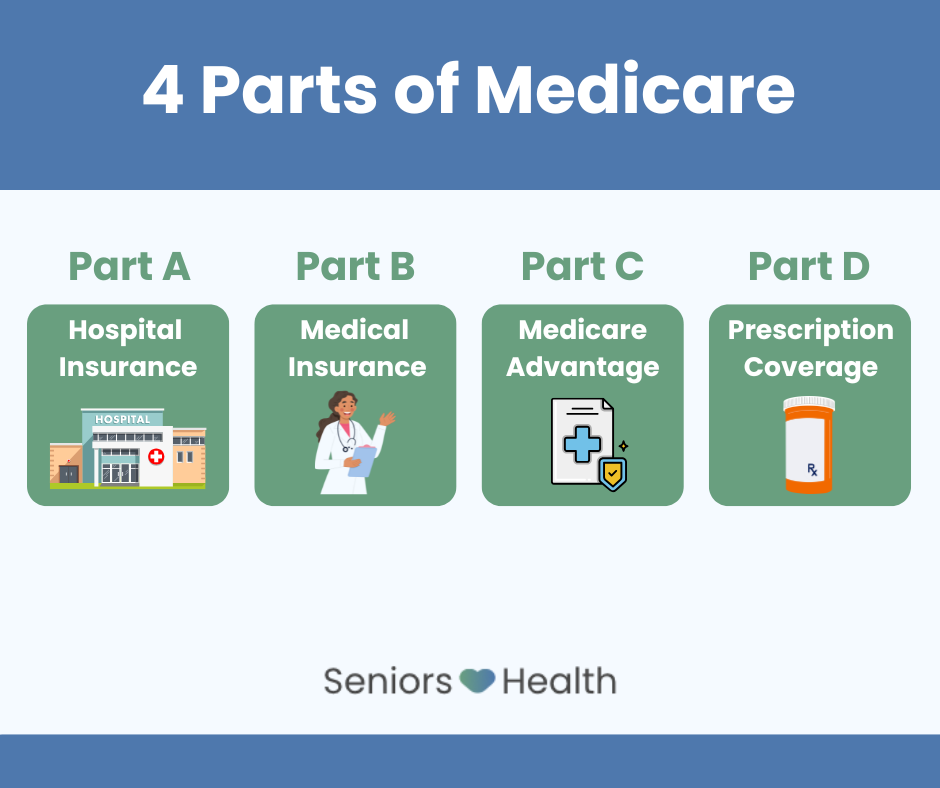
Medicare Plan Finder emphasizes education alongside comparison functionality. Detailed articles explain Medicare Part A, Part B, Part D, and Medicare Advantage distinctions. The agent network provides local support for in-person consultations. Free appointment scheduling connects seniors with licensed professionals who walk through options without pressure. The platform serves over one million annual users seeking Medicare guidance.
Humana operates one of the largest Medicare Advantage programs with members across 48 states. Their proprietary tool showcases Humana-specific plans with detailed benefit breakdowns. Interactive features allow exploring how specific health conditions or medications affect coverage. The platform integrates seamlessly with Humana member portals for existing policyholders reviewing coverage during annual enrollment. Provider network searches verify doctor participation before enrollment.
UnitedHealthcare maintains extensive Medicare Advantage offerings through AARP-branded and standard plans. Their comparison tool enables side-by-side evaluation of different UnitedHealthcare plan types including HMO, PPO, and Special Needs Plans. Cost calculators estimate expenses based on healthcare utilization patterns. The platform connects directly to enrollment systems for streamlined signup. Customer support operates seven days weekly during extended hours accommodating senior schedules.
Aetna provides downloadable comparison worksheets allowing offline plan evaluation. This accommodation benefits seniors less comfortable with purely digital processes. The structured worksheet format guides users through relevant comparison factors including premiums, deductibles, provider networks, and supplemental benefits. Agents assist completing worksheets and interpreting results through scheduled consultations.
ClearMatch positions itself as a simplified comparison platform eliminating unnecessary complexity. The streamlined interface focuses on essential decision factors: cost, coverage, and provider access. Quote generation takes minutes rather than extended sessions. The platform particularly appeals to seniors making their first Medicare decisions who feel overwhelmed by more comprehensive tools.
MedicareGuide combines comparison functionality with insurer ratings and performance analysis. Star rating explanations help seniors understand government quality assessments. State-specific guides address regional coverage variations and local insurer performance. The review format provides consumer perspectives alongside objective data, offering holistic views of plan reputation and member satisfaction.
Benefits of Medicare Advantage Tools for Seniors
Time efficiency through consolidated information
Manually contacting insurance companies to gather plan details consumes hours or days. Digital tools provide instant access to comprehensive plan data from dozens of insurers simultaneously. A senior can review 30 plan options in 20 minutes rather than spending weeks collecting information through phone calls and website visits.
Cost transparency and comparison accuracy
Understanding total healthcare costs requires analyzing premiums, deductibles, copays, coinsurance, and out-of-pocket maximums. Tools calculate estimated annual expenses based on individual health profiles, revealing which low-premium plans might actually cost more through higher service charges. This prevents choosing plans that appear affordable but generate unexpected bills.
Personalized recommendations matching health needs
Generic plan rankings ignore individual circumstances. Tools incorporating medication lists, preferred providers, and health conditions generate customized recommendations. A diabetic senior receives different suggestions than someone managing heart disease, with plans ranked according to relevant specialist networks and prescription coverage.
Network verification preventing coverage gaps
Discovering your doctor doesn’t accept your new insurance after enrollment creates significant disruption. Provider search features confirm network participation before commitment. This advance verification prevents the frustrating scenario of switching plans or changing established medical relationships.
Prescription drug cost visibility
Medicare Advantage plans vary dramatically in medication coverage and costs. Formulary search tools show exactly how much specific prescriptions cost under different plans, including tier placement and prior authorization requirements. This transparency helps seniors with chronic conditions requiring ongoing medications avoid plans with prohibitively expensive drug coverage.
Star rating access supporting quality decisions
Government star ratings assess plan quality across member satisfaction, provider quality, and administrative performance. Tools display these ratings prominently, helping seniors distinguish well-managed plans from those with customer service or care quality issues. Five-star plans demonstrate superior performance across measured categories.
Enrollment period reminders and deadline awareness
Medicare enrollment operates within specific timeframes with penalties for late registration. Tools send reminders about Initial Enrollment Periods, Annual Enrollment Periods, and Special Enrollment Periods. This automated notification prevents missed deadlines that result in coverage gaps or financial penalties.
Educational resources supporting informed decisions
Understanding Medicare terminology, plan types, and coverage rules challenges many seniors. Comprehensive tools include glossaries, FAQs, and explanatory articles demystifying complex healthcare concepts. This educational component transforms confused consumers into informed decision-makers.
Drawbacks and Considerations
Technology barriers for less digitally comfortable seniors
Not all older adults feel confident navigating websites and online forms. Complex interfaces with multiple screens and extensive data entry frustrate users with limited computer experience. These individuals may abandon digital tools, potentially missing helpful plan options due to technology discomfort rather than actual plan unsuitably.
Information overload from excessive options
Presenting 40-plus plan options simultaneously can paralyze decision-making rather than facilitate it. Too many choices create analysis paralysis where seniors struggle to differentiate plans and ultimately select suboptimal coverage. Tools with weak filtering capabilities exacerbate this problem by failing to narrow options effectively.
Data accuracy dependency on annual updates
Plan benefits, costs, and networks change yearly. Tools relying on outdated information mislead users. A plan appearing in search results might no longer serve specific ZIP codes. Medication coverage shown during comparison might differ at enrollment. Users must verify critical details directly with insurers before finalizing decisions.
Limited coverage of all available resources
Some smaller regional insurers or newer market entrants might not appear in all comparison databases. Relying exclusively on one tool risks missing potentially suitable options. Comprehensive research requires consulting multiple platforms or contacting local State Health Insurance Assistance Programs for complete market views.
Biased recommendations from insurer-affiliated tools
Platforms operated by specific insurance companies naturally emphasize their proprietary plans. These tools provide less objective comparisons than independent or government resources. Seniors using carrier-specific platforms should supplement with neutral comparison sites ensuring access to complete market information.
Privacy concerns about data sharing
Entering detailed health information, current medications, and personal identifiers raises privacy questions. Understanding how platforms use, store, and share this data matters for protecting sensitive information. Terms of service disclosures often contain complex language obscuring actual data practices. Seniors should prioritize tools with clear privacy policies and strong security measures.
Agent quality variance on broker platforms
Independent broker platforms connect users with licensed insurance agents, but agent expertise and ethics vary significantly. Some prioritize commissions over client needs, recommending plans offering higher compensation rather than optimal coverage. Seniors should verify agent credentials and seek recommendations from trusted sources when using broker services.
Incomplete representation of all plan details
Digital tools summarize complex plan documents into digestible formats, necessarily omitting details. Fine print regarding coverage exclusions, prior authorization requirements, or appeal processes often doesn’t appear in comparison charts. Reviewing actual plan documents remains necessary for understanding complete coverage terms despite tool convenience.
Pricing and Cost Considerations
Medicare Advantage tools for seniors typically operate without direct user fees. Understanding the underlying business models explains this free access while revealing potential bias sources.
Government-operated tools like Medicare.gov receive taxpayer funding through Centers for Medicare & Medicaid Services budgets. No advertising or commercial relationships influence plan presentation. This funding model ensures unbiased information but may result in less sophisticated interfaces compared to commercial platforms with larger development budgets.
Independent broker platforms including eHealth and Medicare Plan Finder earn commissions from insurance companies for successful enrollments. These referral fees don’t increase plan costs for seniors, as insurers budget for agent compensation regardless of enrollment method. The commission structure might influence which plans receive prominent placement or agent recommendations. Reputable brokers maintain ethical standards prioritizing client fit over commission amounts, but this potential conflict warrants awareness.
Insurance company proprietary tools from Humana, UnitedHealthcare, and Aetna operate as marketing and customer service investments. These platforms reduce enrollment costs compared to traditional sales methods while improving customer experience. The obvious limitation involves showing only that company’s plans rather than complete market options. Seniors should use these alongside independent comparison tools for comprehensive views.
Mobile applications typically download free from app stores with optional premium features behind paywalls. Basic functionality including digital insurance cards, network searches, and appointment scheduling remains accessible without payment. Premium versions might offer enhanced features like detailed health tracking, expanded telemedicine access, or personalized wellness programs for monthly subscription fees around $5-15.
Consultation services through State Health Insurance Assistance Programs provide free, unbiased counseling funded through federal and state grants. Trained volunteers help seniors understand options, compare plans, and complete enrollment without charge. These services particularly benefit individuals uncomfortable with technology or facing complex coverage decisions requiring personalized guidance.
Hidden costs don’t typically apply to tool usage itself but emerge through plan selection. Choosing high-deductible plans to minimize premiums might generate thousands in unexpected healthcare expenses. Selecting plans with narrow networks could necessitate out-of-network care at elevated costs. Tools help avoid these pitfalls by calculating estimated total annual expenses rather than showing premiums alone.
Medicare Advantage plan premiums vary from zero dollars to several hundred monthly depending on coverage breadth and benefit generosity. Many plans charge no premium beyond the standard Medicare Part B payment of $185 monthly in 2025. Tools display these premium variations alongside out-of-pocket cost estimates, helping seniors evaluate total expense rather than premium amounts only.
Frequently Asked Questions
When should seniors start using Medicare Advantage comparison tools? Begin researching three months before Medicare eligibility at age 65 during the Initial Enrollment Period. Existing enrollees should review options annually starting in mid-October before the December 7 deadline. Early research allows time for thorough comparison without deadline pressure creating rushed decisions.
Can seniors enroll in Medicare Advantage directly through comparison tools? Yes, Medicare.gov and most broker platforms offer direct enrollment functionality. After selecting a plan through comparison features, enrollment buttons transfer users to secure signup portals. Some prefer completing enrollment directly with chosen insurers after using tools for comparison only.
How do seniors verify their doctors accept specific Medicare Advantage plans? Use provider network search features within comparison tools by entering doctor names, specialties, or practice addresses. Additionally, call medical offices directly asking which Medicare Advantage plans they accept. Practices often post accepted insurance lists on websites or patient portals.
What happens if a senior enters medications incorrectly into comparison tools? Incorrect medication entry generates inaccurate cost estimates and inappropriate plan recommendations. Double-check drug names, dosages, and quantities before running comparisons. Bring current prescription bottles when consulting with agents to ensure accurate data entry.
Should seniors trust star ratings when comparing Medicare Advantage plans? Star ratings provide valuable quality indicators based on standardized measures including member satisfaction, preventive care rates, and complaint frequencies. However, ratings shouldn’t be the sole decision factor. A four-star plan meeting specific health needs often surpasses a five-star plan with unsuitable networks or formularies.
Can seniors use multiple comparison tools simultaneously? Yes, consulting multiple platforms provides comprehensive market views and verification of information accuracy. Cross-referencing government, independent, and insurance company tools ensures access to complete options while confirming data consistency across sources.
How often do Medicare Advantage plan details change? Plans update annually with new premiums, benefits, and networks effective January 1. Significant changes warrant annual reviews during October through December enrollment periods. Tools reflect these annual updates, making fall the critical research period.
What assistance exists for seniors struggling with digital comparison tools? State Health Insurance Assistance Programs offer free in-person counseling. Medicare’s helpline at 1-800-MEDICARE provides telephone support. Many senior centers host Medicare counseling events. Family members often assist with online research and comparison.
Conclusion
Medicare Advantage tools for seniors transform complex insurance decisions into manageable processes through organized information presentation, personalized recommendations, and cost transparency. The combination of government resources like Medicare.gov, independent broker platforms such as eHealth, and insurance company proprietary tools provides comprehensive coverage of available options across different use cases and comfort levels.
Effective tool utilization requires understanding each platform’s strengths and limitations. Government sites deliver unbiased information ideal for initial research. Broker platforms add personalized guidance for those seeking professional support. Insurance company tools provide detailed benefit explanations for exploring specific carriers. Using multiple resources creates complete market awareness rather than relying on single sources.
The annual enrollment period from mid-October through early December represents the crucial window for reviewing coverage and making changes. Starting research early in this timeframe allows thorough comparison without deadline pressure forcing hasty decisions. Seniors satisfied with current coverage should still conduct annual reviews confirming benefits and costs remain competitive against emerging alternatives.
Technology continues advancing these tools with improved personalization, mobile accessibility, and integration with broader health management systems. However, human support through licensed agents and volunteer counselors remains vital for seniors preferring personal guidance or facing complex health situations requiring nuanced advice. The optimal approach often combines digital tools for efficient comparison with professional consultation for final decision validation.
Medicare Advantage enrollment represents significant decisions affecting healthcare access and financial security throughout retirement years. Investing time in thorough research using available tools leads to coverage aligning with individual health needs, provider preferences, and budget constraints. The tools exist to serve seniors—leveraging them effectively ensures informed choices supporting better health outcomes.