
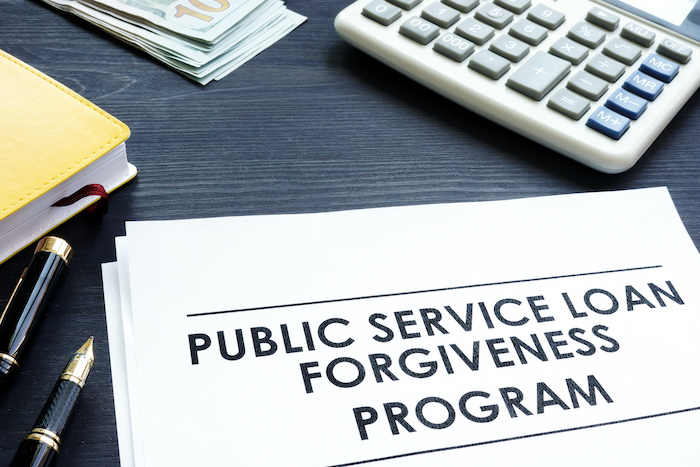
A Public Service Loan Forgiveness application represents the formal process federal student loan borrowers use to request debt cancellation after completing 120 qualifying monthly payments while working for eligible employers. These digital resources help public service employees navigate complex requirements, certify employment periods, and track progress toward forgiveness. This guide examines essential tools available for managing PSLF applications and explains how borrowers can maximize their chances of successful loan discharge.
Table of Contents
What Are Public Service Loan Forgiveness Application Tools?
Public Service Loan Forgiveness application tools encompass government platforms, employer verification systems, loan servicer portals, and tracking resources designed to assist borrowers pursuing federal student loan cancellation. The PSLF program targets individuals working full-time for government agencies or qualifying nonprofit organizations, offering complete loan forgiveness after ten years of qualifying payments.
Core tool categories include:
- Federal government submission platforms for employment certification
- Loan servicer account management systems
- Employer verification portals and signature processes
- Payment tracking and progress monitoring dashboards
- Eligibility verification and employer search databases
- Educational resources explaining program requirements
The PSLF program was established through the College Cost Reduction and Access Act of 2007. The initiative aims to encourage talented professionals to pursue public service careers by reducing the financial burden of student loan debt. Teachers, nurses, social workers, government employees, and nonprofit staff represent the primary beneficiary groups.
Borrowers must satisfy specific criteria for PSLF eligibility. Employment must be full-time with qualifying organizations including federal, state, local, or tribal government agencies, and tax-exempt nonprofit organizations under Section 501(c)(3) of the Internal Revenue Code. Loans must be Federal Direct Loans or consolidated into the Direct Loan program. Borrowers must make 120 qualifying payments under income-driven repayment plans or the standard 10-year repayment plan.
The application process involves submitting Employment Certification Forms periodically throughout employment and a final forgiveness application after completing 120 payments. Tools streamline these submissions by automating form generation, facilitating employer signatures, and electronically transmitting documents to the Department of Education. Understanding which tools serve specific purposes prevents confusion and ensures proper documentation.
Digital transformation of the PSLF process began with basic PDF forms requiring manual completion and mailing. Modern tools now offer electronic signature capabilities, instant employer verification, and real-time progress tracking. These advances reduce processing delays that historically plagued the program, improving borrower experiences and increasing successful forgiveness rates.
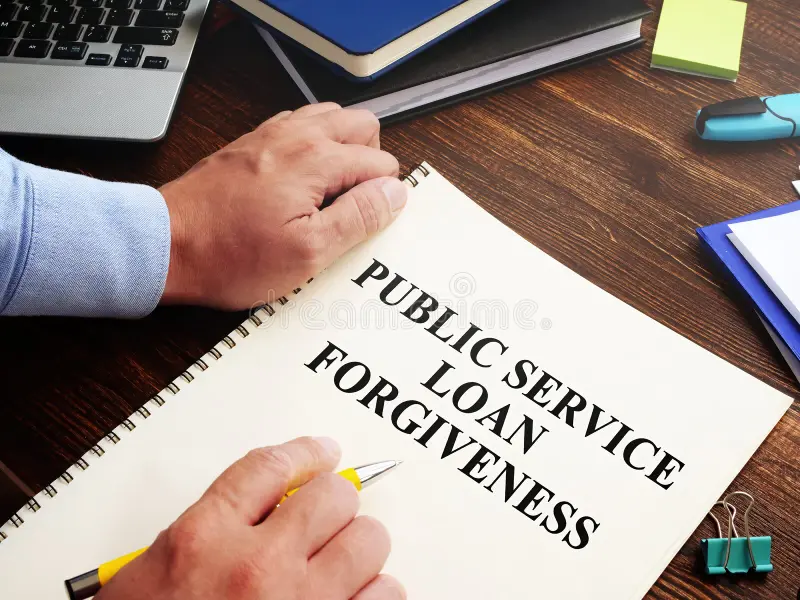
How Public Service Loan Forgiveness Application Tools Operate
PSLF application tools function through interconnected systems managed by the Department of Education, loan servicers, and employers. Understanding operational workflows helps borrowers navigate each stage efficiently.
Standard application sequence:
- Borrower accesses PSLF Help Tool on StudentAid.gov website
- Tool guides users through eligibility questions and employer verification
- System generates Employment Certification Form with borrower information pre-filled
- Employer receives form for completion and digital signature
- Completed form transmits electronically to Department of Education
- Loan servicer updates qualifying payment count after processing
- Borrower monitors progress through StudentAid.gov dashboard
- Final forgiveness application submits after reaching 120 payments
The PSLF Help Tool represents the primary interface for most borrowers. This interactive platform includes employer search functionality checking organization eligibility before completing forms. The database contains thousands of pre-verified employers, enabling instant confirmation for federal agencies, state governments, and major nonprofit organizations. Unlisted employers receive manual review, typically completing within several weeks.
Employment Certification Forms document borrower employment periods at qualifying organizations. The Department of Education recommends submitting these annually and when changing employers. This regular certification creates an official record preventing disputes about employment eligibility after completing 120 payments. Annual submissions also allow borrowers to identify and correct issues early rather than discovering problems when applying for forgiveness.
Digital signature capabilities introduced in 2023 significantly accelerated processing times. Borrowers and employers complete forms electronically through DocuSign integration, eliminating postal delays and physical paperwork management. The system automatically routes forms to appropriate Department of Education processing queues, reducing manual handling errors.
Loan servicer portals provide account-specific information including qualifying payment counts, loan types, and repayment plan enrollment. MOHELA currently serves as the primary servicer for PSLF borrowers, though servicing arrangements occasionally change. Borrowers access these portals separately from StudentAid.gov, requiring distinct login credentials. The servicer updates payment counts after each Employment Certification Form processes, though delays sometimes occur during high-volume periods.
Progress tracking combines data from StudentAid.gov and loan servicer systems. The StudentAid.gov dashboard displays official PSLF payment counts recognized by the Department of Education. These counts represent the authoritative record for forgiveness eligibility. Servicer portals may show different information during processing transitions, so borrowers should prioritize StudentAid.gov data when discrepancies arise.
Employer verification systems vary by organization. Large government agencies and established nonprofits often maintain dedicated PSLF coordinators who complete numerous forms regularly. These organizations typically process forms quickly using established workflows. Smaller nonprofits without specialized staff may require additional time as human resources personnel learn form requirements and signature procedures.
The consolidation process for non-Direct Loans operates through separate applications but connects to PSLF tools. Borrowers with Federal Family Education Loans or Perkins Loans must consolidate into Direct Loans before PSLF eligibility begins. The StudentAid.gov consolidation application includes checkboxes indicating PSLF intentions, helping processors prioritize these applications appropriately.
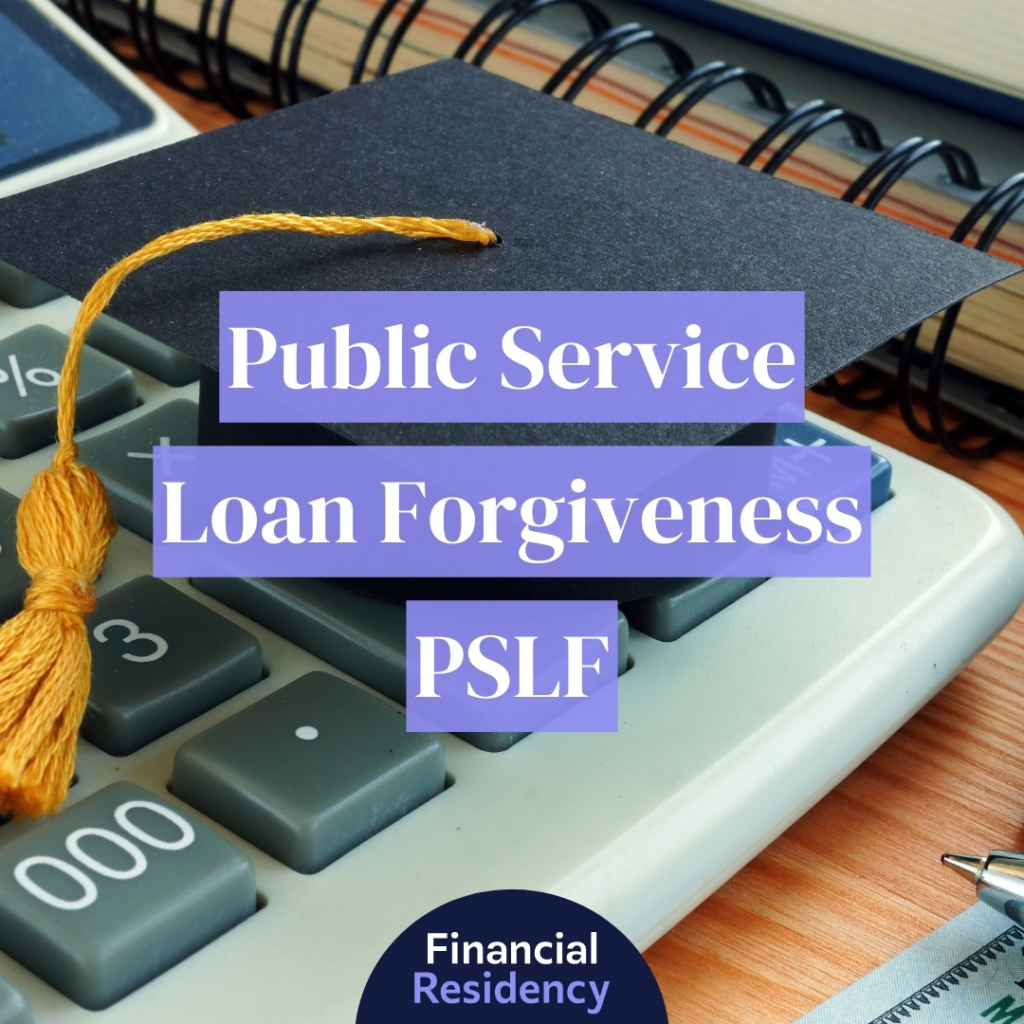
Public Service Loan Forgiveness Application Tool Provider Comparison
Different platforms serve distinct roles in the PSLF ecosystem. Understanding their purposes guides borrowers to appropriate resources for specific needs.
| Platform | Primary Function | Key Features | Ideal For |
|---|---|---|---|
| StudentAid.gov | Official federal portal | PSLF Help Tool, employer search, form generation, tracking dashboard | All PSLF borrowers |
| MOHELA | Loan servicer management | Payment processing, account information, communication with Department | PSLF borrowers with transferred loans |
| Employer HR Systems | Employment verification | Form completion, signature authorization, employment record verification | Securing employer certification |
| Student Loan Simulator | Repayment plan comparison | Payment estimates, forgiveness projections, plan selection guidance | Choosing optimal repayment strategies |
| State PSLF Resources | State-specific guidance | Local employer lists, state employee assistance, supplemental information | State government employees |
| Nonprofit Verification Tools | Organization eligibility | Tax-exempt status confirmation, nonprofit database searches | Borrowers at nonprofit organizations |
StudentAid.gov operates as the Department of Education’s primary borrower interface. The PSLF Help Tool walks users through multi-step processes including eligibility verification, employer confirmation, and form generation. The platform maintains comprehensive employer databases with thousands of pre-verified organizations. Borrowers create accounts using FSA IDs, enabling access to complete federal student loan information including balances, servicer assignments, and repayment plan details.
The PSLF Help Tool completes most forms in under 30 minutes for prepared borrowers. Users need employer Federal Employer Identification Numbers, employment start and end dates, and verification of full-time status. The tool generates both Employment Certification Forms for tracking progress and final Forgiveness Applications after reaching 120 payments. Digital signature options route forms directly to employers through email, eliminating printing and mailing requirements.
MOHELA handles loan servicing functions for PSLF borrowers. The organization manages monthly payment processing, applies payments to loan balances, and maintains payment histories. After Employment Certification Forms process through the Department of Education, MOHELA updates qualifying payment counts in borrower accounts. The servicer provides customer support for payment-related questions, repayment plan changes, and account status inquiries.
MOHELA’s online portal displays loan details including principal balances, accrued interest, payment history, and qualifying payment counts. Borrowers access monthly statements, tax documents, and correspondence through secure messaging systems. The platform enables online payment submissions, automatic payment enrollment, and repayment plan applications. Phone support operates during business hours with specialists trained on PSLF requirements.
Employer HR Systems vary significantly across organizations. Federal agencies often maintain centralized PSLF coordination units processing hundreds of forms monthly. These specialized departments understand program requirements and complete employer sections efficiently. State and local governments typically route forms through payroll or human resources departments with varying PSLF experience levels.
Nonprofit organizations present the widest variability in PSLF processing capabilities. Large established nonprofits with significant workforces often designate PSLF coordinators. Small nonprofits may assign form completion to executive directors or administrative staff handling multiple responsibilities. Borrowers should contact HR departments early to understand internal processes and expected timeframes.
Student Loan Simulator on StudentAid.gov helps borrowers compare repayment plans and estimate forgiveness amounts. The tool accepts loan balances, income information, and family size to calculate monthly payments under various plans. Projections show total payment amounts over loan lifetimes, helping borrowers understand financial implications of different strategies. The simulator specifically addresses PSLF scenarios, calculating how quickly borrowers reach 120 payments under different plans.
State PSLF Resources exist in many locations where state governments provide supplemental guidance for employees. These resources include verified employer lists for state agencies, county governments, and municipalities. State-specific websites often feature FAQ sections addressing common questions about employment verification for teachers, law enforcement, and other state employees. Some states maintain dedicated PSLF coordinators assisting borrowers navigating federal requirements.
Nonprofit Verification Tools help borrowers confirm organization eligibility. The IRS Tax Exempt Organization Search verifies nonprofit status and identifies organization types under Section 501(c)(3). This confirmation matters because only 501(c)(3) organizations automatically qualify for PSLF. Other nonprofit types including labor unions, partisan political organizations, and religious organizations don’t automatically qualify, though government ownership might enable eligibility through alternative routes.
Benefits of Public Service Loan Forgiveness Application Tools
Streamlined electronic processing Digital tools eliminate postal delays and manual paperwork handling that historically extended processing times to six months or longer. Electronic forms route directly to Department of Education processing queues, with many applications completing review within 60-90 days. The efficiency gains help borrowers receive timely payment count updates, enabling proactive issue resolution.
Employer database verification: Pre-verified employer listings provide instant eligibility confirmation for thousands of organizations. Borrowers working for federal agencies, state governments, or major nonprofits receive immediate validation without waiting for manual reviews. This feature reduces anxiety about employer qualification and enables confident program participation.
Progress tracking transparency: Dashboards displaying qualifying payment counts allow borrowers to monitor progress toward forgiveness throughout ten-year timelines. Visual representations of remaining payments help maintain motivation and enable financial planning around expected forgiveness dates. Regular tracking also identifies processing errors early when corrections remain straightforward.
Automated form generation: Pre-filled Employment Certification Forms eliminate manual data entry errors causing processing delays. The system populates borrower information from federal records, ensuring consistency across submissions. Automated generation also ensures forms contain current required fields, preventing issues from outdated PDF versions lacking updated questions.
Reduced documentation burden: Electronic signature workflows eliminate printing, signing, scanning, and mailing requirements. Borrowers and employers complete forms entirely digitally through web interfaces or DocuSign integrations. This convenience particularly benefits remote workers and organizations operating paperless processes.
Educational resource integration: Tools embed explanatory content throughout application processes, answering questions as they arise. Interactive help features provide context-specific guidance reducing confusion about requirements. This just-in-time education helps borrowers complete forms correctly on first attempts, avoiding resubmissions extending timelines.
Consolidated information access: Single portals aggregating loan information, payment history, employer certifications, and progress tracking eliminate jumping between multiple systems. Borrowers access everything PSLF-related through StudentAid.gov accounts, simplifying ongoing program management throughout ten-year participation periods.

Drawbacks and Considerations for PSLF Application Tools
Processing delays during high-volume periods: Despite electronic submission, Department of Education processing queues experience backlogs during peak times. Annual enrollment periods, policy changes, and system transitions create delays extending review times beyond typical 60-90 day windows. Borrowers face uncertainty when payment counts don’t update for months despite submitting required documentation.
System integration inconsistencies: Information displayed in StudentAid.gov dashboards occasionally conflicts with loan servicer portal data. These discrepancies occur during processing transitions as systems synchronize. Borrowers struggle determining which count represents accurate progress, potentially making incorrect decisions about continued program participation or employer changes.
Employer processing variability: Organizations lacking dedicated PSLF coordinators may delay form completion for weeks or months. Small nonprofits without specialized HR staff often prioritize urgent operational needs over loan forgiveness paperwork. Borrowers depend on employer cooperation without leverage ensuring timely completion.
Technical literacy requirements: Digital tools assume basic computer skills including creating accounts, navigating multi-page forms, and managing email communications. Borrowers uncomfortable with technology face steeper learning curves. Limited digital access in some communities creates barriers for populations the program aims to serve.
Information overload complexity: PSLF requirements involve numerous technical concepts including loan types, repayment plans, qualifying payments, and employer eligibility. Tools present substantial information that overwhelms borrowers unfamiliar with student loan terminology. The learning curve deters some eligible borrowers from pursuing available benefits.
Limited problem resolution capabilities: While tools facilitate applications, they offer minimal support resolving discrepancies or errors. Borrowers discovering incorrect payment counts or employer eligibility issues must contact servicers or the Department of Education separately. These communication channels operate through different systems disconnected from application tools, requiring borrowers to reexplain situations multiple times.
Mobile interface limitations: Although many tools offer mobile access, complex forms with multiple sections work better on full-sized computer screens. Mobile users experience frustration navigating detailed employer searches, lengthy certifications, and document uploads through smartphone interfaces. This limitation affects borrowers relying primarily on mobile devices for internet access.
Policy uncertainty impacts: PSLF regulations occasionally change through federal rule-making or court decisions. Tools may not immediately reflect updated requirements, potentially providing outdated guidance. Borrowers following tool instructions discover later that policy changes rendered previous submissions incomplete or incorrect.
Cost and Access Considerations
PSLF application tools operate without direct user fees. The federal program provides forgiveness without charging borrowers for processing applications, though understanding related costs provides complete financial context.
Free government resources through StudentAid.gov include complete access to PSLF Help Tools, employer searches, form generation, and progress tracking. No subscription fees, application charges, or processing costs apply. The Department of Education funds these services through federal appropriations, ensuring access regardless of borrower financial circumstances.
Loan servicer fees don’t apply to PSLF applications or employment certifications. MOHELA and other servicers receive compensation from the Department of Education for servicing functions, not from individual borrowers. Monthly loan payments represent standard repayment obligations unrelated to forgiveness application processes. Borrowers shouldn’t encounter charges specifically for PSLF participation.
Third-party assistance costs vary when borrowers seek professional help navigating PSLF. Some financial advisors, student loan counselors, and attorneys offer PSLF guidance for fees ranging from hourly consulting rates to fixed-price packages. These services aren’t necessary for program participation but benefit borrowers preferring professional assistance. Costs typically range from $200-1000 depending on service scope and complexity.
Employer processing time represents an indirect cost through delayed form completion. While employers don’t charge fees, some organizations take weeks completing certifications. Borrowers working for uncooperative employers might change jobs to maintain PSLF eligibility, incurring career transition costs. Most established organizations process forms efficiently, but outliers exist.
Opportunity costs emerge through repayment plan requirements. Income-driven repayment plans typically generate lower monthly payments than standard plans, enabling PSLF qualification. However, extended repayment periods accrue more interest over time. Borrowers must weigh forgiveness benefits against total interest paid over ten years. Tools help calculate these trade-offs through repayment plan comparisons.
Documentation effort investments require time gathering employment records, tracking payment histories, and maintaining PSLF files. Organized borrowers spend several hours annually managing certifications and monitoring progress. This administrative burden represents opportunity cost but pales compared to potential forgiveness amounts reaching tens of thousands of dollars.
Frequently Asked Questions
How long does PSLF application processing take? Employment Certification Forms typically process within 60-90 days under normal conditions, though backlogs occasionally extend timelines to six months. Final forgiveness applications take longer, averaging three to six months from submission to debt discharge. Regular annual certifications help ensure smooth final processing.
Can borrowers apply for PSLF before completing 120 payments? Yes, borrowers should submit Employment Certification Forms annually and when changing employers throughout ten-year timelines. These certifications create official records and update qualifying payment counts. Final forgiveness applications require completing all 120 payments before submission.
What happens if employer information is incorrect on forms? The Department of Education contacts borrowers requesting corrections when employer information appears inconsistent with federal records. Borrowers then work with employers resubmitting corrected forms. Processing resumes after receiving accurate information. Errors delay but don’t prevent eventual approval.
Do payment counts update immediately after certification? No, payment count updates occur after Department of Education processing completes, typically 60-90 days after form submission. Servicer portals update shortly after Department processing finishes. Borrowers should expect several months between submission and updated counts appearing.
Can borrowers use PSLF tools if working for multiple qualifying employers? Yes, borrowers certify each employment period separately through individual forms. Total qualifying months combine across all employers meeting program requirements. Working part-time at multiple qualifying organizations totaling full-time hours counts toward PSLF.
Are PSLF application tools accessible to borrowers with disabilities? Federal websites including StudentAid.gov must comply with accessibility standards. Tools offer screen reader compatibility, keyboard navigation, and alternative text for images. Borrowers requiring additional accommodations can contact Federal Student Aid customer service for assistance.
What should borrowers do if payment counts appear incorrect? Contact loan servicers first to request manual reviews. If servicers cannot resolve discrepancies, escalate to Federal Student Aid ombudsman services. Borrowers should maintain personal records including payment confirmations and employment certifications documenting qualifying periods.
Can borrowers switch loan servicers while pursuing PSLF? Servicer assignments occur through Department of Education decisions, not borrower choices. PSLF processing continues regardless of servicer changes. Borrowers maintain program eligibility provided they continue meeting requirements even when servicing transfers.
Conclusion
Public Service Loan Forgiveness application tools transform complex federal programs into manageable processes for public service employees seeking student loan relief. The evolution from paper-based systems to integrated digital platforms significantly improved application experiences, reduced processing times, and increased successful forgiveness rates. StudentAid.gov serves as the central hub where borrowers access employer verification, form generation, and progress tracking throughout ten-year participation periods.
Effective PSLF pursuit requires understanding which tools serve specific purposes and how platforms interconnect. Regular Employment Certification Form submissions through the PSLF Help Tool create official records preventing eligibility disputes. MOHELA portal monitoring ensures payment counts update appropriately after certifications process. Student Loan Simulator usage optimizes repayment plan selection, maximizing forgiveness amounts while minimizing total payments.
The program continues evolving through regulatory updates and administrative improvements. Borrowers should regularly check StudentAid.gov for policy changes affecting requirements or processes. Recent enhancements including digital signatures and expanded qualifying payment definitions demonstrate ongoing efforts improving program accessibility and effectiveness.
Success in PSLF requires patience, organization, and consistent engagement with available tools. Borrowers who submit annual certifications, monitor payment counts, maintain personal records, and promptly address discrepancies achieve forgiveness reliably. The ten-year timeline demands persistence, but tools significantly reduce administrative burden compared to early program years.
For public service professionals carrying significant student loan debt, PSLF represents potentially life-changing financial relief. Understanding and effectively utilizing application tools determines whether eligible borrowers actually receive forgiveness benefits. The investment of several hours annually managing certifications and tracking progress yields returns potentially reaching tens of thousands of dollars in cancelled debt.