

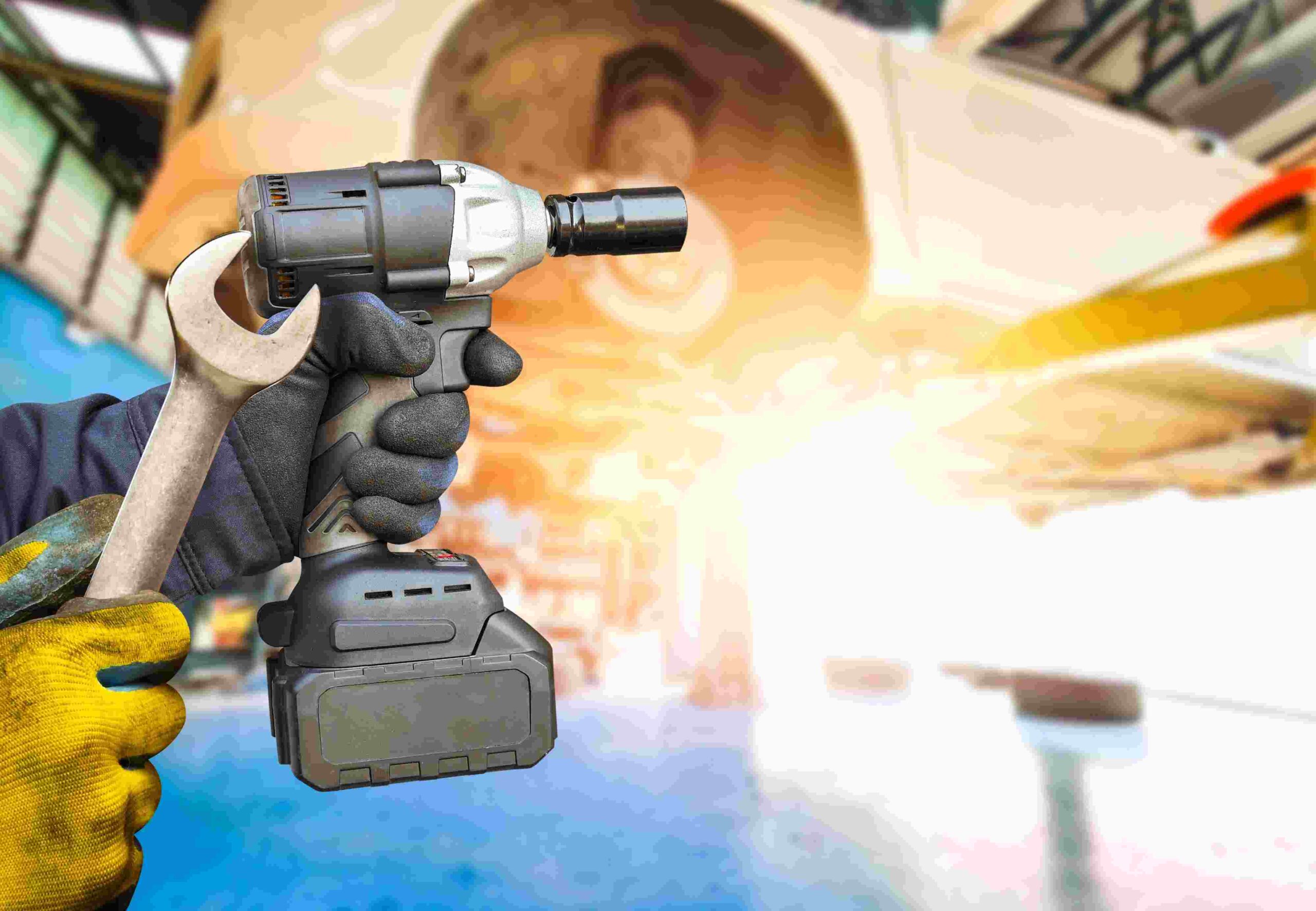
An impact wrench for automotive work delivers high rotational torque that makes removing lug nuts, suspension bolts, and rusted fasteners manageable without excessive physical effort. These power tools use hammering mechanisms to generate torque output that standard drills cannot match. This guide examines essential impact wrenches designed for automotive applications and explains how to select tools matching specific repair requirements and work environments.
Table of Contents
What Is an Impact Wrench for Automotive Use?
An impact wrench for automotive applications is a power tool specifically engineered to apply sudden, intense rotational force to fasteners. Unlike continuous rotation drills, impact wrenches deliver force through rapid hammering actions measured in impacts per minute. This mechanism breaks free stubborn bolts and tightens fasteners to precise specifications without straining user muscles.
Core operational components include:
- Hammer and anvil mechanism creating rotational impacts
- Motor system (pneumatic, corded electric, or battery-powered)
- Drive anvil with socket attachment capability (typically 1/2-inch or 3/8-inch square drive)
- Variable speed trigger controlling rotation and impact frequency
- Forward and reverse operation for fastener removal and installation
Automotive mechanics encounter fasteners exposed to road salt, moisture, vibration, and temperature extremes. These conditions cause corrosion bonding bolts to threads and creating removal challenges that defeat standard hand tools. Impact wrenches address this reality by delivering measured force surges that shock fasteners loose without damaging threads or breaking bolts.
The tool’s effectiveness stems from energy storage and release cycles. The motor spins a rotating mass that stores kinetic energy. When resistance increases beyond a threshold, the hammer mechanism engages, releasing stored energy in rapid succession. This generates torque spikes exceeding what motors alone could produce through continuous rotation. The process repeats dozens of times per second, creating the characteristic rapid knocking sound.
Professional automotive technicians use impact wrenches for tire rotations, brake service, suspension work, and general mechanical repairs. Home mechanics appreciate these tools for seasonal tire changes and vehicle maintenance projects. The time savings compared to manual breaker bars and socket wrenches makes impact wrenches essential for anyone performing regular automotive work.
Modern impact wrenches incorporate electronic controls that adjust power delivery based on fastener resistance. These features prevent over-tightening that damages threads or strips bolt heads. Torque limiting modes allow setting precise specifications matching manufacturer requirements for critical components like wheel lug nuts.

How Impact Wrenches for Automotive Work Operate
Impact wrench operation varies by power source but follows common mechanical principles. Understanding these differences helps match tools to specific automotive repair environments and project requirements.
Cordless electric impact wrenches dominate current automotive applications due to lithium-ion battery advances. These tools use brushless motors for efficiency and longevity. Battery packs ranging from 18V to 20V provide portable power without tethering to compressors or electrical outlets. Runtime depends on battery capacity measured in amp-hours, with 4.0Ah to 6.0Ah batteries typical for professional use.
Operational sequence for cordless models:
- Battery supplies direct current to brushless motor controller
- Motor spins hammer mechanism and stores kinetic energy
- Trigger activation engages rotation through drive anvil
- Resistance activates hammer strikes against anvil
- Rapid impact cycles generate high torque output
- Electronic controls modulate power based on selected mode
Pneumatic impact wrenches remain prevalent in professional shop environments with existing air compressor infrastructure. Compressed air flowing through vanes or pistons creates rotation. The twin-hammer or single-hammer mechanisms convert airflow into impact forces. Pneumatic tools generally weigh less than battery-powered equivalents while delivering comparable or superior torque output.
Corded electric impact wrenches offer consistent power without battery management concerns. However, cord length limits working radius and creates tripping hazards. These tools suit stationary workshop applications but lack the mobility automotive work often demands.
The drive anvil accepts sockets through either friction ring or detent pin retention systems. Friction rings use spring pressure for tool-free socket changes but occasionally lose grip under extreme torque. Detent pins lock sockets more securely but require pressing a button for removal. Professional mechanics debate preferences based on workflow priorities.
Torque output specifications include two critical measurements. Breakaway torque represents the maximum force for loosening seized fasteners. This number typically exceeds fastening torque, which indicates tightening capability. A wrench claiming 700 foot-pounds fastening torque might deliver 1,000 foot-pounds breakaway torque for removing rusted bolts.
Control features distinguish quality impact wrenches from basic models. Multiple speed settings allow adapting output to fastener size and material. Mode selections include full power for maximum removal force, auto-stop functions preventing over-tightening, and hand-tight settings for initial fastener engagement. LED work lights illuminate target areas, crucial when working in wheel wells or under vehicles.
Battery management systems in cordless wrenches monitor cell temperatures, prevent over-discharge, and optimize charging cycles. These protections extend battery lifespan and ensure consistent tool performance throughout discharge cycles. Rapid chargers replenish 4.0Ah batteries in 30-60 minutes, minimizing downtime during extended work sessions.
Impact Wrench Provider Comparison for Automotive Work
Major tool manufacturers offer impact wrenches targeting different segments of automotive repair markets. Understanding brand positioning and model capabilities guides purchasing decisions.
| Brand | Notable Model | Key Specifications | Ideal For |
|---|---|---|---|
| Milwaukee | M18 FUEL 2767-20 | 1,400 ft-lbs breakaway, 1,000 ft-lbs fastening, 4-mode control | Professional mechanics, heavy-duty automotive |
| DeWalt | DCF899B 20V MAX XR | 700 ft-lbs fastening, 1,200 ft-lbs breakaway, brushless motor | General automotive repair, enthusiasts |
| Makita | XWT08Z 18V LXT | 740 ft-lbs fastening, 1,180 ft-lbs breakaway, 3-speed selection | Balanced performance, mobile mechanics |
| Ingersoll Rand | W7150-K2 20V IQV | 780 ft-lbs fastening, 1,100 ft-lbs breakaway, compact design | Professional technicians, tire shops |
| Craftsman | V20 RP CMCF920B | 700 ft-lbs fastening, 1,000 ft-lbs breakaway, LED light | Budget-conscious DIY, home mechanics |
| Harbor Freight | Bauer 20V | 450 ft-lbs breakaway, affordable entry point | Occasional use, entry-level automotive |
| Chicago Pneumatic | CP8849 1/2″ Cordless | 850 ft-lbs torque, 2 shut-off positions, battery-powered | Tire service, vehicle maintenance shops |
Milwaukee leads professional-grade cordless impact wrenches with M18 FUEL technology. Their 2767-20 model delivers exceptional torque in compact dimensions measuring just 8.39 inches length. The four-mode drive control includes settings for precision fastening, maximum power, and specialized modes for common automotive tasks. Tri-LED lighting surrounds the anvil, eliminating shadows in tight work areas. Milwaukee backs tools with five-year warranties, demonstrating manufacturing confidence.
DeWalt provides comprehensive cordless tool systems through 20V MAX platforms. The DCF899B features brushless motor efficiency extending battery runtime. Three-speed settings adapt output from delicate fastener work to maximum breakaway force. The hog ring anvil facilitates rapid socket changes during high-volume work like tire rotations. DeWalt batteries interchange across their extensive tool lineup, valuable for mechanics invested in the ecosystem.
Makita emphasizes balance between power and portability with 18V LXT impact wrenches. The XWT08Z incorporates protection against dust and moisture, extending tool life in harsh automotive environments. Three-speed power selection provides granular control over fastening operations. Variable speed triggers allow gradual power application when starting fasteners. The friction ring anvil design suits mechanics prioritizing quick socket swaps.
Ingersoll Rand brings pneumatic tool expertise to cordless impact wrench development. The W7150-K2 delivers professional-level torque in lightweight housing weighing under 6 pounds with battery. Compact dimensions enable access to confined spaces common in modern vehicle designs with densely-packed engine bays. The included carrying case organizes tool, batteries, and charger for mobile service applications.
Craftsman targets value-conscious consumers with V20 cordless platforms. The CMCF920B provides adequate power for common automotive tasks including tire changes, brake caliper work, and chassis repairs. Three-speed settings and variable triggers offer control despite lower price points. LED work lights and ergonomic grip designs match features from premium brands. Craftsman’s accessible pricing removes barriers for home mechanics establishing tool collections.
Harbor Freight delivers entry-level options through Bauer cordless tools. The 20V impact wrench suits occasional automotive work without major investment. Lower torque output handles standard lug nuts and moderate-difficulty fasteners. The tool works for seasonal tire changes and basic maintenance but struggles with heavy rust or over-torqued fasteners requiring maximum power.
Chicago Pneumatic specializes in professional automotive equipment with focus on tire service operations. The CP8849 cordless impact wrench introduces dual shut-off positions for precise torque control during wheel installations. This innovation reduces reliance on separate torque wrenches for final tightening specifications. The 850 foot-pound output handles heavy vehicle applications including light trucks and commercial vehicles.
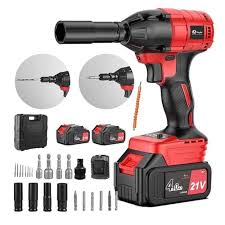
Benefits of Impact Wrenches for Automotive Work
Physical strain reduction
Manual fastener removal using breaker bars and cheater pipes creates injury risk from sudden bolt release or excessive force application. Impact wrenches eliminate dangerous manual techniques while reducing repetitive strain on wrists, elbows, and shoulders. Mechanics performing dozens of tire changes weekly preserve physical health using powered tools rather than manual alternatives.
Time efficiency in repetitive operations
: Removing and installing four wheel assemblies manually consumes 30-45 minutes. Impact wrenches complete the same work in 10-15 minutes. This productivity gain matters significantly for professional shops charging labor hours or mobile mechanics scheduling multiple appointments daily. Home mechanics appreciate shorter project durations allowing more complex repairs within available timeframes.
Consistent torque application
Over-tightening lug nuts causes wheel stud damage and rotor warping. Under-tightening creates safety hazards from wheel detachment. Impact wrenches with torque limiting features apply consistent fastening force matching manufacturer specifications. This consistency prevents comebacks from loose wheels or customer complaints about damaged studs requiring replacement.
Access to confined spaces
Compact impact wrench designs reach fasteners in tight engine compartments and suspension areas where breaker bar length prevents effective leverage. Modern vehicles pack components densely, creating challenging working conditions. Short-profile impact wrenches measuring under 8 inches length navigate spaces defeating conventional tools.
Rust and corrosion management
The hammering action from impact mechanisms breaks corrosion bonds more effectively than continuous torque application. Fasteners frozen by years of road salt exposure often surrender to impact wrenches when manual methods fail. This capability prevents bolt breakage requiring time-consuming extraction procedures.
Battery mobility advantages
Cordless impact wrenches enable roadside repairs and mobile service operations without generator or extension cord requirements. Mechanics respond to customer locations equipped with battery-powered tools providing full functionality. This mobility expands service offerings and improves customer convenience.
Multi-voltage platform compatibility
Major tool brands design battery systems working across multiple tools. A mechanic’s impact wrench batteries also power drills, saws, and lights from the same manufacturer. This interchangeability reduces battery inventory requirements and ensures charged power sources remain available.
Drawbacks and Considerations for Automotive Impact Wrenches
Over-reliance risking improper torque: Impact wrenches excel at fastener removal but require careful use during installation. Critical fasteners like wheel lug nuts demand final torque verification using calibrated torque wrenches. Many mechanics incorrectly assume impact wrenches alone provide adequate tightening, leading to safety concerns and warranty issues.
Battery dependency affecting workflow: Cordless tool convenience vanishes when batteries discharge during projects. Professional mechanics maintain multiple charged batteries rotating through work cycles. Initial investment includes purchasing adequate battery inventory alongside tools. Battery degradation over time reduces runtime, necessitating eventual replacement adding to operational costs.
Weight and balance fatigue: High-torque impact wrenches weighing 6-8 pounds with batteries cause arm fatigue during extended overhead work. Lighter mid-torque models sacrifice maximum power for improved ergonomics. Mechanics must balance tool capability against physical demands of typical workload.
Noise generation requiring protection: Impact wrenches produce sound levels around 100 decibels during operation. Prolonged exposure without hearing protection causes permanent hearing damage. Shop environments with multiple simultaneous impact wrench use amplify noise concerns requiring comprehensive hearing conservation programs.
Socket wear acceleration: The hammering forces inside impact wrenches stress socket construction more than hand tool use. Impact-rated sockets with reinforced walls resist cracking and dimensional changes. Using standard chrome sockets with impact wrenches risks socket failure launching metal fragments at dangerous velocities. Proper impact socket sets represent necessary additional investment.
Compressor requirements for pneumatic models: Air-powered impact wrenches demand adequate compressor capacity and proper air line sizing. Undersized compressors cannot maintain required pressure and volume, reducing tool performance. The infrastructure investment for pneumatic tools exceeds cordless equivalents unless existing compressor systems exist.
Learning curve for torque control: New users frequently over-tighten fasteners lacking familiarity with impact wrench behavior. The tools’ power makes damaging threads or stripping bolt heads easy without proper technique. Training emphasizes pulse timing and trigger discipline preventing common mistakes.
Cold weather battery performance: Lithium-ion batteries lose capacity in freezing temperatures common during winter automotive work. Mechanics working outdoors or in unheated spaces experience reduced runtime and power output. Battery management includes warming strategies and maintaining spare charged batteries at room temperature.
Pricing Overview for Automotive Impact Wrenches
Impact wrench costs vary significantly based on power source, torque capability, and brand positioning.
Entry-level cordless models occupy the $80-150 range including basic battery and charger. These tools from brands like Bauer, Ryobi, and Craftsman deliver 300-450 foot-pounds torque suitable for light automotive work. Battery capacity typically stays around 2.0-3.0Ah limiting extended use. Adequate for home mechanics performing occasional maintenance but insufficient for professional daily use.
Mid-range cordless options span $200-350 with improved specifications and build quality. Milwaukee, DeWalt, Makita, and Ingersoll Rand offerings include 4.0-5.0Ah batteries and deliver 600-800 foot-pounds fastening torque. These tools handle most automotive repair scenarios professional mechanics encounter. Brushless motor technology provides better efficiency and longevity justifying higher investment.
Professional-grade cordless wrenches command $350-600 for maximum performance and durability. High-torque models generating 1,000+ foot-pounds fastening torque suit heavy equipment mechanics and automotive shops specializing in larger vehicles. Premium features include advanced electronic controls, superior battery management systems, and extended warranties. The investment makes sense for daily commercial use but exceeds requirements for occasional home mechanics.
Bare tool pricing excludes batteries and chargers, reducing costs $100-200 for users invested in specific battery platforms. Mechanics with existing Milwaukee M18 or DeWalt 20V systems purchase additional tools without duplicate batteries. This approach builds comprehensive tool collections affordably within single-brand ecosystems.
Pneumatic impact wrenches range from $100-400 depending on torque output and manufacturer. These tools require separate air compressor investments starting around $300 for adequate capacity. Total pneumatic system costs often exceed cordless equivalents unless shops maintain existing compressed air infrastructure. The operational costs include compressor maintenance and electricity consumption.
Kit configurations bundle impact wrenches with multiple batteries, chargers, and carrying cases. These packages provide immediate operational capability with everything needed for field use. Kit pricing typically saves 15-30 percent compared to purchasing components separately. Professional mechanics favor kits when establishing new battery platforms.
Socket set additions necessary for impact wrench use add $50-200 depending on size range and quality. Impact-rated socket sets include reinforced construction handling repeated hammering forces. Standard socket sets crack and fail under impact wrench use. Deep-well socket varieties accommodate fasteners in recessed locations common throughout vehicles.
Warranty coverage varies from one year basic protection to five-year comprehensive plans. Milwaukee leads with five-year warranties on FUEL series tools demonstrating confidence in durability. Extended warranties matter for professional tools experiencing daily use and potential abuse in shop environments. Registration requirements and proof of purchase affect claim processes.
Frequently Asked Questions
What torque output is necessary for automotive impact wrenches? General automotive work requires minimum 500 foot-pounds fastening torque and 700 foot-pounds breakaway torque. This handles passenger vehicle lug nuts, suspension components, and typical repairs. Heavy-duty applications including light truck work benefit from 800+ foot-pounds capability. Compact vehicles with aluminum wheels manage adequately with 400 foot-pound tools.
Should mechanics choose cordless or pneumatic impact wrenches? Cordless wrenches suit mobile mechanics, home users, and shops without compressed air systems. Pneumatic tools work better for stationary professional shops with existing compressor infrastructure and heavy daily use demands. Cordless technology advances narrow performance gaps making battery tools increasingly viable for all applications.
How do impact wrenches differ from impact drivers? Impact wrenches use square drive anvils accepting sockets for automotive fasteners. Impact drivers feature hexagonal chucks holding screwdriver bits. Wrenches generate higher torque for mechanical work while drivers excel at driving screws and small fasteners. The tools serve distinct purposes despite similar hammering mechanisms.
Can impact wrenches replace torque wrenches for wheel installation? Impact wrenches work effectively for initial tightening but final torque specifications demand calibrated torque wrenches for critical fasteners like lug nuts. Many modern impact wrenches include torque-limiting modes approximating proper specifications but verification with torque wrenches ensures safety and prevents overtightening damage.
What maintenance do impact wrenches require? Cordless models need minimal maintenance beyond keeping batteries charged and occasional cleaning. Pneumatic wrenches require daily air tool oil lubrication and moisture drain procedures. All impact wrenches benefit from periodic anvil greasing and inspection for worn components. Brushless motors eliminate carbon brush replacement needs plaguing older electric tools.
Are budget impact wrenches adequate for automotive work? Entry-level cordless wrenches from Harbor Freight or basic Craftsman models handle light automotive maintenance including tire changes and accessory work. Professional mechanics and heavy users quickly exceed budget tool capabilities, justifying premium tool investments. The value equation balances purchase price against expected usage frequency and durability requirements.
How many batteries should automotive mechanics own? Professional daily users maintain minimum four batteries rotating through charging cycles ensuring constant tool availability. Home mechanics manage adequately with two batteries alternating between charger and tool. Battery quantity decisions consider typical project duration, charging time, and tolerance for work interruptions.
Do impact wrenches damage fasteners or threads? Proper impact wrench use with appropriate torque settings prevents damage. Careless operation over-tightening fasteners strips threads and breaks bolts. Modern wrenches with electronic controls and torque-limiting features reduce user error risks. Training and technique matter more than tool selection for preventing fastener damage.
Conclusion
Impact wrenches for automotive work represent essential tools transforming mechanical repair efficiency and reducing physical demands on mechanics. The evolution from pneumatic dominance toward cordless battery-powered tools continues as lithium-ion technology advances deliver comparable performance with superior mobility. Professional automotive technicians and home mechanics both benefit from understanding impact wrench capabilities, limitations, and proper selection criteria.
Choosing appropriate impact wrenches requires matching torque output to typical fastener demands, considering work environment constraints, and evaluating budget against usage frequency. Professional shops performing dozens of tire rotations daily justify premium Milwaukee or Ingersoll Rand investments. Home mechanics changing seasonal tires and performing occasional brake work manage effectively with mid-range DeWalt or Makita options.
The distinction between cordless and pneumatic impact wrenches narrows as battery technology improves. Cordless tools now deliver professional-level performance while offering mobility pneumatic systems cannot match. Shops with existing compressed air infrastructure maintain pneumatic tools for stationary applications but increasingly add cordless options for mobile work and convenience.
Proper impact wrench usage extends beyond tool selection into technique development and accessory investment. Impact-rated socket sets, adequate battery inventory, and torque wrench verification represent necessary components of complete automotive tool systems. Training prevents common mistakes including over-tightening critical fasteners and using inappropriate power settings for delicate components.
The future of automotive impact wrenches points toward continued refinement of electronic controls, battery efficiency improvements, and integration with broader tool ecosystems. Smart tools communicating torque data and usage patterns will enhance quality control and streamline warranty documentation. However, the fundamental benefit remains unchanged: converting electrical or pneumatic energy into precise rotational force making automotive repair faster, safer, and more accessible across skill levels.