
Table of Contents
A cordless lawn mower uses rechargeable battery power instead of gas engines or electrical cords to cut grass across residential and light commercial properties. These mowers eliminate fuel mixing, exhaust emissions, and cord management while delivering cutting performance now rivaling traditional gas equipment. This guide examines essential cordless lawn mowers available for various yard sizes and explains how to select equipment matching specific property needs and mowing preferences.
What Is a Cordless Lawn Mower?
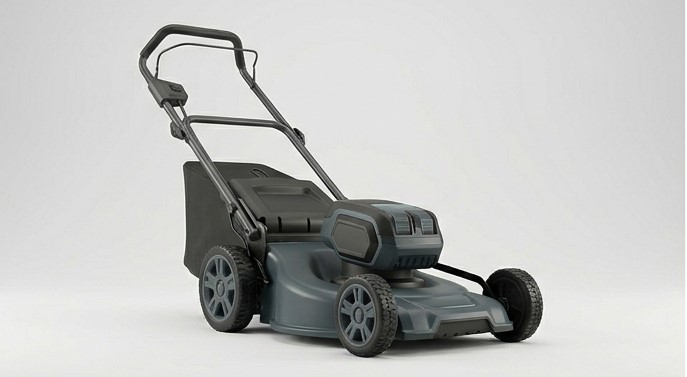
A cordless lawn mower, also called a battery mower or cordless electric mower, is a grass-cutting machine powered entirely by rechargeable lithium-ion batteries rather than gasoline engines or power cords. This battery-based design provides mobility advantages of gas mowers while eliminating fuel handling, exhaust emissions, and engine maintenance requirements.
Core components include:
- Removable battery pack providing power (typically 40V to 80V systems)
- Electric motor driving the cutting blade
- Deck housing containing blade and grass collection systems
- Height adjustment mechanism for cutting level control
- Push or self-propelled drive system
The best battery lawn mowers perform every bit as well as, or even better than, the best gas mowers according to rigorous independent testing. This performance parity represents a significant shift from earlier battery mower generations that struggled matching gas engine power output, particularly in thick or tall grass conditions.
Two primary mower types serve different user needs and physical capabilities. Push mowers require users to provide forward momentum manually, while self-propelled mowers feature automatic wheel drive systems that move the mower forward, requiring users to simply guide direction rather than provide propulsion force. Push mowers typically cost less and suit smaller, flatter yards, while self-propelled models benefit larger properties or sloped terrain where manual pushing becomes physically demanding.
Battery platform compatibility represents an important consideration for tool ecosystem planning. Several brands, including DeWalt, Makita, and Milwaukee, sell battery mowers that run on the same 18-20 volt batteries powering their hand tools like drills and circular saws. This cross-compatibility allows homeowners already invested in specific tool brands to avoid duplicate battery purchases when adding lawn equipment.
Voltage and amp-hour ratings determine mower power output and runtime capacity. For domestic residential use, voltage exceeding 56V rarely proves necessary, though commercial applications or extremely large properties may benefit from higher voltage systems. Higher voltage and amp-hour combinations provide more cutting power and longer runtime but result in heavier battery packs requiring consideration for user strength and mower maneuverability.
How Cordless Lawn Mowers Operate
Understanding cordless mower mechanics helps users select appropriate models and optimize performance across different lawn conditions and seasonal grass growth patterns.
Standard operational sequence:
- Charged battery pack inserts into mower housing compartment
- Safety mechanisms verify proper battery connection and key/fob presence
- Trigger or button activation engages electric motor
- Motor spins cutting blade at variable speeds based on grass density
- Cut grass either bags in attached collection container, mulches back into lawn, or discharges to the side
- Battery depletion triggers automatic shutoff requiring recharge or swap
Brushless motors represent the technology standard for quality cordless mowers, offering efficiency advantages translating directly into longer runtime and reduced maintenance requirements. These motors automatically adjust power output based on grass density, with multi-phase brushless motors instantly adjusting power output to match cutting conditions, providing more cutting force when encountering thicker grass patches without requiring manual speed adjustments.
Intelligent power management systems distinguish premium mowers from basic models. Many mowers feature standard and high-lift modes, with standard mode running blades around 2,800 RPM for typical cutting conditions while automatically increasing to higher speeds when sensors detect extra-thick grass requiring additional cutting force. High-lift modes maintain constant higher RPM throughout operation, providing superior grass standing and bagging performance at the cost of reduced battery runtime.
Cut quality depends significantly on blade speed and deck design working together. Strong blade motors combined with deep mowing decks create stronger uplift, standing grass blades straight up for cleaner cuts after single passes. This uplift capability also improves leaf and debris pickup during fall cleanup, making quality mowers versatile beyond simple grass cutting throughout growing seasons.
Battery charging infrastructure varies by manufacturer and battery capacity. Full charging cycles typically range from 45 minutes to over two hours depending on battery size and charger capability. Lithium-ion batteries can be used when partially charged, allowing users to begin mowing before reaching full capacity if time constraints exist, though this reduces total available runtime for that session.
Runtime calculations require considering both battery capacity and actual property conditions. The amount of area you need to cut matters less than accounting for obstacles, since there’s a significant difference between a quarter-acre of open grass and a quarter-acre lot containing house, driveway, and landscaping reducing actual mowing area. Manufacturers increasingly report gas-equivalent power ratings, helping buyers gauge mower capability relative to familiar gas engine benchmarks even without hands-on testing experience.
Cordless Lawn Mower Provider Comparison
Major outdoor power equipment manufacturers offer cordless mowers targeting different yard sizes, terrain types, and user preferences from budget push models to commercial-grade self-propelled units.
| Brand | Notable Model | Key Specifications | Ideal For |
|---|---|---|---|
| EGO | LM2206SP Select Cut | 11.1 ft-lbs torque, outperforms 200cc gas mower, Select Cut blade system | Demanding lawns, premium performance |
| Ryobi | 40V HP Self-Propelled | 163cc gas equivalent, dual 6.0Ah batteries, 80-minute runtime | Suburban mid-size lots |
| Milwaukee | M18 Fuel Dual Battery | 10 ft-lbs torque, multi-phase brushless motor, strong bagging uplift | Large lawns, power-focused users |
| Toro | 22-inch Recycler | 160cc gas equivalent, covers half-acre, familiar gas-mower feel | Gas-to-battery transition users |
| Greenworks | MO48L Cordless | 41cm cutting width, six-step height adjustment, 40-minute runtime | UK and European residential yards |
| Litheli | EasySurge 18.5″ | Compact design, lightweight build, smaller deck size | Small yards, limited storage |
| Echo | 56V 21″ Push | Cordless push design, no self-propel complexity | Budget-conscious flat yards |
| Stihl | Battery Walk-Behind | Premium build quality, professional-grade reliability | Quality-focused long-term ownership |
EGO delivers exceptional power output, with their Select Cut Self-Propelled mower generating 11.1 ft-lbs of torque, enough to outperform a 200cc gas mower. The Select Cut blade system lets users prioritize between longer runtime and higher lift performance depending on lawn conditions and time constraints. Despite primarily targeting residential customers, this model feels and drives much more like commercial-grade equipment, though its weight and larger deck size require slightly more effort maneuvering through tight turns.
Ryobi offers excellent value positioning for typical suburban properties through their 40V HP self-propelled lineup. This model packs power equivalent to a 163cc gas mower at comparable pricing to less capable alternatives. The included dual 6.0Ah battery kit provides up to 80 minutes of mowing time per charge, sufficient for cutting approximately three-quarters of an acre, while three-way clipping management adds versatility for different grass disposal preferences.
Milwaukee brings professional tool manufacturing expertise to lawn care through their M18 FUEL platform. The dual battery mower configuration generates substantial 10 ft-lbs of torque through multi-phase brushless motor technology. The deep mowing deck combined with strong blade motor creates superior uplift performance, standing grass blades straight for clean single-pass cutting while efficiently collecting leaves and debris during autumn cleanup tasks.
Toro focuses on easing the gas-to-battery transition through familiar handle design and control layouts. Performance approximately matches a 160cc gas engine, with sufficient runtime covering nearly half an acre per charge. The recognizable Recycler deck design maintains mulching quality consistent with Toro’s established gas mower reputation, helping hesitant gas mower users feel comfortable transitioning to battery power.
Greenworks serves European and UK markets effectively with mowers like the MO48L offering practical features for residential properties. The 41-centimeter cutting width suits typical suburban lawn sizes, while spring-loaded deck height adjustment provides six cutting height options ranging from 30-80mm. Approximately 40 minutes of runtime per charge handles standard residential mowing sessions without requiring battery swaps.
Litheli targets compact properties and limited storage situations through lightweight, smaller-deck mower designs. The EasySurge model suits small yards where full-size mowers prove unnecessarily large or difficult to store. This category particularly benefits urban homeowners or those with modest lawn areas requiring less powerful, more maneuverable equipment.
Echo provides straightforward push mower options for budget-conscious buyers comfortable manually propelling their equipment. The 56V 21-inch cordless push model eliminates self-propel mechanism complexity and cost while maintaining solid cutting performance for flat to moderately sloped residential yards.
Stihl maintains reputation for premium build quality and professional-grade reliability extending from their established gas equipment line into battery mowers. Performance testing consistently shows Stihl battery mowers performing on par with their gas mower counterparts, appealing to buyers prioritizing long-term durability and brand consistency over initial purchase price savings.
Benefits of Cordless Lawn Mowers
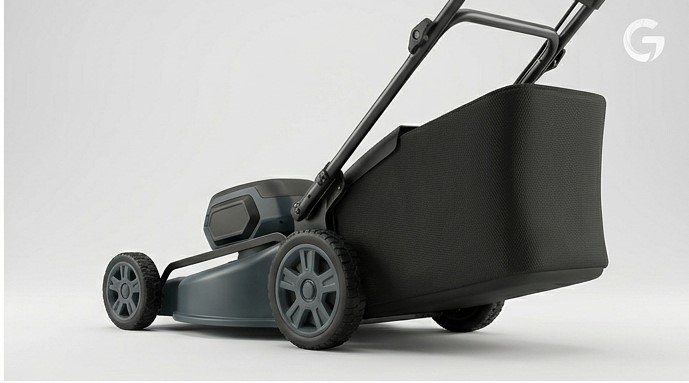
Elimination of fuel-related maintenance: Battery mowers require no gas mixing, oil changes, spark plug replacement, or carburetor cleaning that gas equipment demands. In the case of a battery powered lawn mower, maintenance simply involves ensuring batteries remain sufficiently charged, dramatically simplifying ongoing equipment care compared to combustion engine alternatives.
Reduced noise pollution: Battery-powered mowers operate substantially quieter than gas equivalents based on controlled testing comparisons. This noise reduction allows earlier morning or evening mowing sessions without disturbing neighbors, while also reducing hearing protection concerns for operators during regular use.
Zero direct emissions: Cordless mowers don’t use petrol, eliminating exhaust emissions during operation. This environmental benefit appeals to increasingly eco-conscious homeowners while also improving air quality in immediate mowing areas, particularly relevant for users with respiratory sensitivities to gas engine exhaust.
Instant push-button starting: Unlike gas mowers requiring pull-cord starting mechanisms that sometimes resist starting, especially after storage periods, battery mowers are typically easier to start, requiring just the push of a button or simple trigger activation without unpredictable pull-cord resistance.
Battery platform cross-compatibility: Mowers sharing battery platforms with other yard tools or even household power tools reduce overall investment costs for users already owning compatible equipment. This interchangeability extends battery value across multiple tool categories rather than limiting investment to single-purpose equipment.
Competitive or superior cutting performance: Independent testing demonstrates that more than a dozen of the best battery walk-behind mowers currently beat the top-rated gas model in comprehensive performance evaluations. This performance achievement eliminates historical concerns about battery mowers underperforming compared to gas alternatives.
Mulching and debris pickup capability: Strong blade motors paired with deep decks create excellent uplift performance, efficiently handling both standard grass cutting and seasonal leaf pickup duties. This versatility extends mower utility beyond pure summer lawn maintenance into broader yard care applications throughout growing seasons.
Drawbacks and Considerations for Cordless Lawn Mowers
Higher upfront investment costs: Battery mowers tend to be more expensive than comparable gas machines, with premium self-propelled models reaching $700 or higher before considering additional battery purchases. This initial cost barrier may deter budget-conscious buyers despite long-term maintenance savings.
Limited runtime requiring planning: Battery capacity constrains continuous mowing sessions, typically ranging from 40-80 minutes depending on battery size and cutting mode selected. Properties exceeding battery capacity require either multiple charged batteries or planned charging breaks, complicating mowing schedules for larger lots.
Weight considerations for battery capacity: Higher voltage and amp-hour batteries providing extended runtime and power result in heavier battery packs that affect overall mower weight and maneuverability. Users must balance desired runtime against physical handling comfort, particularly relevant for self-propelled models still requiring lifting for storage or transport.
Charging time between uses: Full battery charging cycles range from 45 minutes to over two hours depending on battery capacity and charger speed. This charging requirement means spontaneous mowing decisions require advance battery preparation, unlike gas mowers ready whenever fuel tanks contain gasoline.
Cold weather performance impact: Lithium-ion batteries experience reduced capacity and power output in cold temperatures, potentially affecting early spring or late fall mowing sessions in temperate climates. This limitation particularly impacts users in regions with significant seasonal temperature variation affecting battery performance consistency.
Battery degradation over ownership period: Like all lithium-ion batteries, mower battery packs gradually lose capacity through repeated charge cycles over several years of regular use. This degradation eventually necessitates battery replacement, representing additional cost beyond initial mower purchase price.
Storage and charging space requirements: Battery mowers require accessible electrical outlets for charging, along with storage space accommodating both mower and battery charging stations. This differs from gas mowers requiring only fuel storage considerations rather than dedicated electrical charging infrastructure.
Pricing Overview for Cordless Lawn Mowers
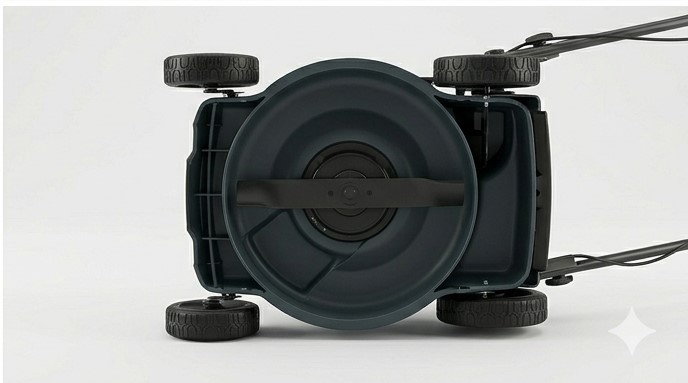
Cordless lawn mower costs vary substantially based on cutting width, battery capacity, drive type, and brand positioning within the market.
Budget push mower models typically range from $200-350, often featuring smaller cutting decks around 14-16 inches and basic battery capacity suitable for compact yards. These entry-level options work well for small properties without significant terrain challenges or extensive square footage requiring extended runtime.
Mid-range residential mowers occupy the $350-600 space, typically including 20-21 inch cutting decks with self-propel options and moderate battery capacity supporting average suburban lot sizes. This category represents the most popular segment for typical quarter-acre to half-acre residential properties balancing capability against reasonable investment levels.
Premium self-propelled mowers command $600-900, featuring advanced brushless motors, multiple cutting modes, larger battery capacity, and superior build quality. These models target larger properties, challenging terrain, or buyers prioritizing performance matching or exceeding gas mower capability without compromise.
Dual battery kit configurations add $100-200 to base mower costs but provide extended runtime without mid-session charging interruptions. This investment particularly benefits larger properties where single battery capacity proves insufficient for complete property coverage in one session.
Bare tool pricing without included batteries typically saves $150-300 for users already invested in compatible brand battery ecosystems through other power tools. This approach particularly benefits homeowners owning compatible drills, trimmers, or other equipment from the same manufacturer’s battery platform.
Replacement batteries represent ongoing costs as original batteries degrade over multiple seasons of regular use. Additional or replacement batteries typically cost $150-300 depending on capacity and voltage, representing meaningful investment for extending mower lifespan or supporting larger properties requiring extended runtime.
Commercial-grade and riding mowers for properties exceeding one acre command significantly higher investment, often exceeding $2,000-5,000 for battery-powered riding mowers or zero-turn models. These specialized options serve larger residential properties or light commercial applications beyond typical walk-behind mower scope.
Frequently Asked Questions
What size yard works best with push versus self-propelled cordless mowers? Push mowers suit yards under a quarter-acre where manageable propulsion effort and lower costs matter most. Self-propelled models benefit yards between a quarter-acre and half-acre, providing easier maneuvering across slopes with less physical effort required from operators.
How long do cordless lawn mower batteries last on a single charge? Runtime typically ranges from 40-80 minutes depending on battery capacity, cutting mode, and grass conditions. Higher amp-hour batteries provide proportionally longer runtime, with dual battery configurations roughly doubling available mowing time per charging cycle.
Can cordless mowers handle thick or tall grass effectively? Yes, modern cordless mowers with brushless motors automatically increase power output when sensors detect thicker grass requiring additional cutting force. However, extremely overgrown lawns may benefit from initial high-deck mowing passes before attempting standard height cutting.
Are cordless lawn mower batteries interchangeable between brands? No, battery systems remain proprietary to individual manufacturers and aren’t cross-compatible between different brands. However, many manufacturers design batteries compatible across their entire tool ecosystem, allowing single battery investment to power multiple lawn and garden tools within that brand.
What maintenance do cordless lawn mowers require? Maintenance primarily involves keeping batteries charged, periodically cleaning grass buildup from the deck underside, and replacing blades when dull or damaged. Unlike gas mowers, no oil changes, spark plug replacement, or carburetor maintenance applies to battery-powered equipment.
How much does a quality cordless lawn mower typically cost? Quality residential cordless mowers typically range from $350-600 for self-propelled models with adequate battery capacity for average suburban lots. Premium options exceeding $700 provide commercial-grade performance, while basic push mowers start around $200-300 for smaller properties.
Do cordless mowers work well for mulching and bagging? Yes, quality cordless mowers with strong blade motors and deep deck designs provide excellent mulching and bagging performance, often matching or exceeding gas mower capability. High-lift cutting modes specifically optimize grass uplift for superior bagging efficiency.
Should I choose higher voltage for better mower performance? For typical residential use, voltage exceeding 56V rarely proves necessary unless managing extremely large properties or challenging terrain. Higher voltage systems provide more power and runtime but result in heavier batteries affecting overall mower weight and storage convenience.
Conclusion
Cordless lawn mowers have evolved from underpowered alternatives into legitimate gas mower competitors, with independent testing consistently demonstrating that top battery models match or exceed comparable gas equipment performance. The combination of brushless motor technology, intelligent power management, and expanding battery capacity has eliminated most historical concerns about cutting power and runtime limitations that once defined earlier battery mower generations.
Selecting appropriate cordless mowers requires honestly assessing property size, terrain challenges, and existing tool ecosystem investments. Smaller properties with flat terrain manage well with budget-friendly push models, while larger lots or sloped yards justify investing in self-propelled options with substantial battery capacity. Buyers already owning compatible brand power tools should prioritize matching battery platforms to maximize value across their complete tool collection.
The transition away from gas-powered lawn equipment continues accelerating as battery technology improves charging speed, energy density, and overall durability. This progression suggests cordless mowers will continue narrowing any remaining performance gaps while maintaining inherent advantages in noise reduction, maintenance simplicity, and environmental impact that gas equipment cannot match.
For homeowners ready to transition toward battery-powered lawn care, understanding voltage requirements, runtime expectations, and drive system options enables confident purchasing decisions matching actual property needs. The investment in quality cordless lawn mowers pays dividends through reduced ongoing maintenance, quieter neighborhood-friendly operation, and consistent performance supporting well-maintained lawns throughout each growing season.