
A cordless hammer driver drills combines three essential functions — drilling, driving, and hammer drilling — into a single battery-powered tool capable of boring through wood, metal, and masonry without outlet dependency. These versatile power tools handle everything from driving cabinet screws to drilling anchor holes in concrete walls, eliminating the need for separate specialized equipment. This guide examines essential cordless hammer driver drills available for professionals and homeowners, explaining how to select tools matching specific project requirements and battery platform investments.
Table of Contents
What Is a Cordless Hammer Driver Drill?
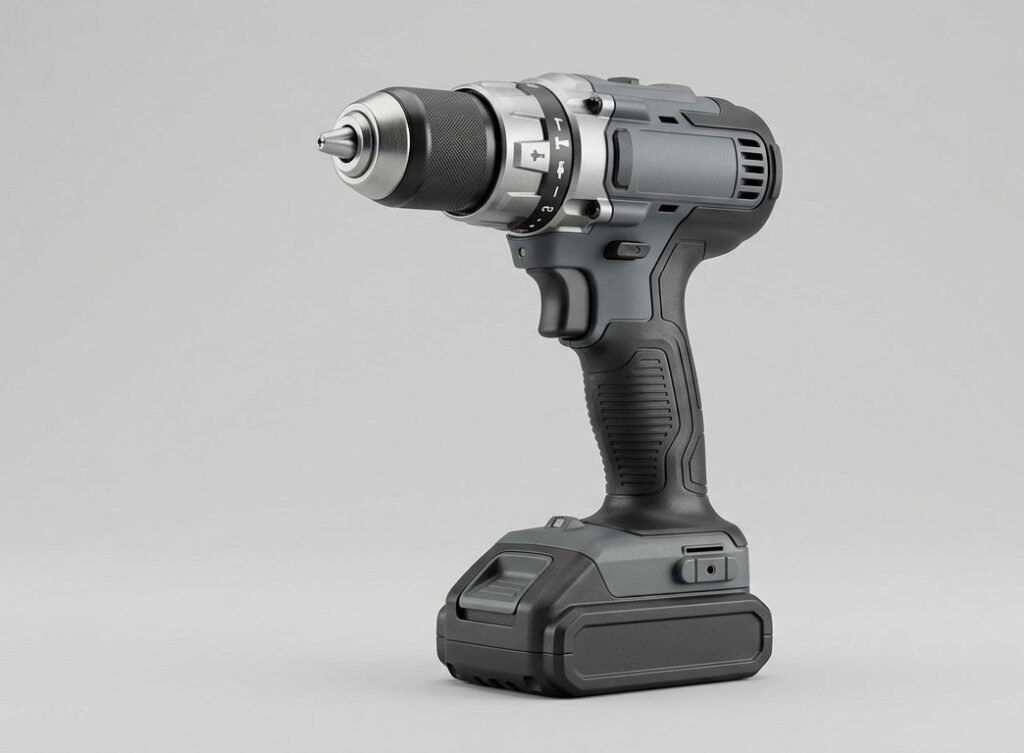
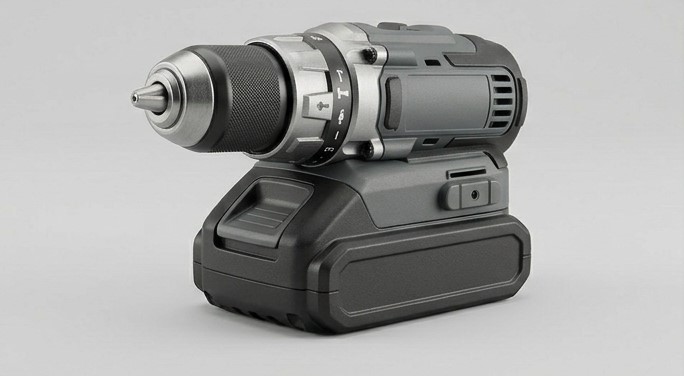
A cordless hammer driver drill is a multi-mode power tool that uses a rechargeable battery to power three distinct operational modes: standard drilling through wood and metal, screwdriver function for fastener driving, and hammer drill mode for penetrating masonry materials including concrete, brick, and stone.
Core components include:
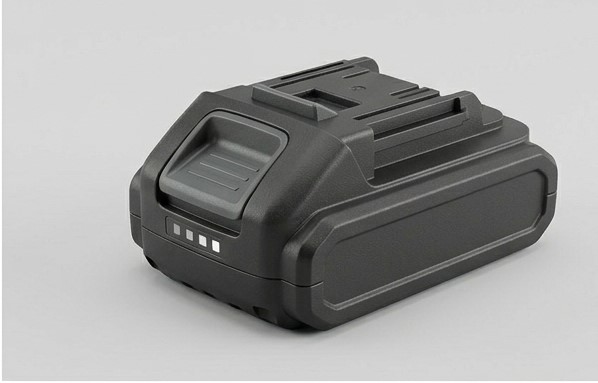
- Lithium-ion battery pack providing portable power (typically 12V to 40V)
- Brushless or brushed electric motor generating rotational force
- Two-ridged metal disc hammer mechanism creating forward hammering action
- Keyless chuck accepting drill bits and driver bits up to 1/2 inch
- Variable speed trigger controlling rotation speed
- Mode selector switching between drill, driver, and hammer modes
- Torque clutch with multiple settings preventing fastener overdriving
- LED work light illuminating drilling surfaces in confined spaces
Hammer drills look and operate like regular drills but have one key difference. They operate by having two ridged metal discs spinning against each other, and when they click in and out, they cause that rapid hammering motion which pushes the bit forward while it continues to spin. When you combine this rotation and the impact of metal, the tool is able to punch through masonry materials that would usually stop a standard drill.
The distinction between hammer drills and rotary hammers matters for understanding application ranges. Standard hammer drills combine rotation with percussion action, handling light to medium masonry drilling effectively. Rotary hammers use piston mechanisms providing more powerful hammering action suited to heavy-duty masonry work including large-diameter core drilling. Most residential and light commercial applications requiring occasional concrete anchor installation benefit from hammer drills, while dedicated masonry contractors benefit from rotary hammer investments.
Drilling through concrete, bricks, and stone requires more force than even the most powerful corded drill drivers can provide — and cordless hammer drills have enough oomph plus the convenience of battery power to complete such tasks.
Modern cordless hammer driver drills incorporate brushless motor technology delivering meaningful performance advantages over older brushed motor designs. Brushless motors are far more efficient. They use sensors and control boards to send an electrical current to coils that spin a magnet attached to a shaft. This method produces significantly more torque and uses far less battery power than a brushed motor. This efficiency translates directly into longer battery runtime, reduced motor heat, and extended tool lifespan.
Torque output measured in inch-pounds determines driving and drilling capability across different material densities. Higher torque ratings enable driving larger fasteners deeper into harder materials without motor strain. Blows Per Minute (BPM) or Impacts Per Minute (IPM) in hammer mode quantifies the hammering frequency that breaks masonry material ahead of the rotating drill bit, with higher BPM ratings generally indicating faster masonry penetration.
How Cordless Hammer Driver Drills Operate
Understanding the operational mechanics of cordless hammer driver drills helps users select appropriate models and optimize performance across different materials and project types.
Standard operational sequence:
- Charged battery inserts into drill handle battery slot
- Mode selector positions to appropriate setting — drill, driver, or hammer drill
- Torque clutch adjustment sets desired fastener driving depth or drilling torque limit
- Correct bit inserts and tightens into keyless chuck
- Trigger activation engages motor at variable speed based on trigger pressure
- In hammer mode, percussion discs engage simultaneously with rotation
- LED work light activates for improved bit placement visibility
- Electronic controls monitor motor load and adjust power delivery automatically
Performance: Speed, blow rate, and torque give you an idea of how fast and strong a drill or hammer drill will perform. They’re helpful when you’re comparing data during research, and typically the higher the battery, but it’s the motor’s ability to keep the RPMs high under load that separates them.
Variable speed triggers provide granular control over drilling and driving operations. Light trigger pressure delivers slow speeds suitable for starting holes accurately or driving screws without stripping heads. Full trigger depression engages maximum RPM for fast drilling through softer materials. This speed range accommodates everything from precise pilot holes to rapid bulk drilling in a single tool.
Two-speed gearboxes extend operational versatility beyond single-speed designs. Low gear provides maximum torque at reduced RPM for driving large fasteners and drilling through dense materials. High gear delivers faster rotation suited to smaller fasteners and drilling softer materials efficiently. Keep in mind that the drill operates at higher speeds in all three gears when in hammer drilling mode, making gear selection relevant to hammer mode performance as well as standard drilling.
Torque clutch mechanisms protect both workpieces and drill motors from damage during driving operations. Multiple clutch settings ranging from 1 through 20 or more positions allow precise torque limits matched to fastener sizes and material resistance. Clutch engagement disengages motor drive when resistance exceeds selected setting, preventing screw head stripping, pilot hole blowout, or motor damage from sudden bit binding.
Variable-speed triggers make it much easier to start hammer drilling slowly so you don’t shatter glazed tile surfaces — a technique important when drilling through ceramic or porcelain materials requiring controlled initial penetration before applying full drilling speed and hammer action.
Electronic kickback protection features found on professional models detect sudden bit binding that creates dangerous tool rotation torque. These systems interrupt motor power when detecting unexpected resistance changes, preventing wrist injuries from binding events during high-torque drilling operations. This safety technology particularly benefits users drilling through materials with embedded reinforcement or unexpected density variations.
Battery platform considerations extend beyond individual tool performance to encompass entire cordless tool collection economics. One thing always mentioned in what brand to choose is what other cordless tools you might buy later. Buying into a battery brand ecosystem might be important later if you can’t find your brand of a particular tool — it’s expensive to have multiple brands of batteries.
Cordless Hammer Driver Drills Provider Comparison
Major power tool manufacturers offer hammer driver drills targeting different performance levels, application requirements, and budget considerations across professional and consumer market segments.
| Brand | Notable Model | Key Specifications | Ideal For |
|---|---|---|---|
| FLEX | FX1271T 24V Brushless | 1,400 in-lbs torque, 2,500 RPM, 40,000 IPM, Turbo Mode | Maximum performance professionals |
| DeWalt | DCD999 20V MAX XR | 3-mode gearbox, 2,250 in-lbs torque, brushless motor | Heavy-duty construction professionals |
| Milwaukee | M18 FUEL 2904-20 | 1,200 in-lbs torque, POWERSTATE brushless, REDLINK PLUS | Daily professional trade use |
| Makita | GPH01 40V XGT | 40V MAX platform, superior concrete drilling, compact build | Premium performance, serious contractors |
| Bosch | GSB18V-490B12 | 22,000 BPM, 20 torque settings, brushless motor | Versatile DIY and light professional |
| Ryobi | PBLHM102 18V HP | Compact 7.5-inch length, under 5 lbs, mid-range torque | Value-focused homeowners and tradespeople |
| Craftsman | V20 CMCD721B | Budget-friendly, solid mid-range performance, V20 platform | Entry-level buyers, occasional use |
| Ridgid | R86115 18V | Brushless motor, two-speed gearbox, lifetime service agreement | Long-term value, warranty-conscious buyers |
FLEX entered the professional tool market with their hammer drill and immediately set the performance benchmark. With 1,400 in-lbs of industry-leading torque, 2,500 RPM, and 40,000 IPM, this drill dominates in both wood and concrete applications. The Turbo Mode gives you an extra boost when you need it, and you can turn it off for more control on precision work. This performance combination makes FLEX the choice for professionals demanding maximum output from every drilling session.
DeWalt maintains strong professional credibility through their 20V MAX XR platform. When you need top-tier performance, the DCD999 has it. Plus, its 3-mode gearbox has an all-important middle gear for when high speed isn’t quite enough but you don’t want to drop into low gear. The DeWalt 20V MAX XR cordless drill set is a dependable and powerful hammer drill well suited to DIY and professional use. In testing, the DeWalt hammer drill drilled quickly and without issue through concrete and cinder brick, while the variable-speed trigger made it much easier to start hammer drilling slowly in delicate applications.
Milwaukee serves daily professional trade use through their M18 FUEL platform combining exceptional power with battery ecosystem depth. The Milwaukee M18 Fuel 1/2″ Drill Driver is the top pick for jobs requiring plenty of drilling and driving power without sacrificing battery life. Milwaukee’s POWERSTATE brushless motor and REDLINK PLUS intelligence system maintain performance consistency under demanding load conditions that weaker motors struggle handling.
Makita delivers premium performance through their 40V XGT platform offering superior concrete drilling capability in compact dimensions. The Makita 40V max XGT Brushless Hammer Drill GPH01 placed third among the highest-performing cordless hammer drills in objective hands-on tests simulating real-world jobsite conditions. This platform suits serious contractors performing frequent masonry drilling who justify higher battery investment through daily performance demands.
Bosch provides excellent versatility for DIY and light professional applications through their 18V platform. The Bosch GSB18V-490B12 brings serious cordless power on a DIYer’s budget. The drill can switch between hammer drill, drill or driver modes, making it an extremely versatile tool. It features a 1/2-inch keyless chuck, a mid-body grip, and a brushless motor delivering up to 22,000 BPM. The variable speed two-speed gearbox and 20 torque settings for the driver function add meaningful control across diverse applications. The included belt clip enables comfortable overhead and ladder use throughout extended work sessions.
Ryobi delivers meaningful mid-range performance while maintaining compact dimensions appealing to homeowners and value-oriented tradespeople. As the HP Brushless lineup rolled out for Ryobi, one of the big things noticed was how much smaller many of the tools are. The flagship hammer drill sits at a mid-range 7.5 inches long and well under 5 pounds with battery — a significant change for a brand that used to be on the bigger, heavier side of the conversation. While not leading in torque output, Ryobi’s concrete drilling performance in testing earned a podium finish surprising many professional observers.
Craftsman serves entry-level buyers through accessible pricing within their V20 cordless platform. The Craftsman V20 1/2-In Drill/Driver is one of the less expensive options on the market, but holds its own against tools costing quite a bit more. It did surprisingly well in tough tests, boring holes up to 5 inches in diameter without issue and offering plenty of control when setting countersunk screws. Budget buyers focusing on primary drill purchase without building extensive tool ecosystems find adequate capability at accessible price points.
Ridgid differentiates through exceptional warranty coverage backing professional-grade tool construction. The Ridgid R86115 1/2-inch hammer drill offers a brushless motor, two-speed metal gearbox, keyless chuck, and mid-handle grip, backed by Ridgid’s lifetime service agreement. This indefinite warranty protection distinguishes Ridgid from competitors offering limited warranty periods, providing long-term ownership confidence particularly valuable for professionals depending on tool reliability.
Benefits of Cordless Hammer Driver Drills
Three-tool versatility in single package: Cordless hammer driver drills eliminate purchasing separate drill drivers, dedicated hammer drills, and screwdrivers for different applications. Mode switching handles wood drilling, metal drilling, masonry penetration, and fastener driving through single tool investment. This consolidation reduces job site tool inventory, storage requirements, and overall equipment costs compared to maintaining separate specialized tools.
Complete job site mobility: Battery power eliminates outlet dependency restricting corded tool positioning. Cordless hammer drills have enough oomph plus the convenience of battery power to complete tasks requiring significant force, without the cord management challenges that limit working radius and create tripping hazards in active construction environments.
Masonry capability without dedicated equipment: Hammer drill mode enables concrete anchor installation, brick drilling, and stone penetration tasks that standard drill drivers cannot accomplish effectively. This capability allows homeowners and light commercial contractors to handle masonry tasks occasionally without investing in dedicated rotary hammer equipment reserved for heavy daily masonry use.
Improved runtime through brushless efficiency: Modern brushless motors extract more cutting work from each battery charge compared to older brushed motor designs. This efficiency allows smaller, lighter battery packs delivering comparable runtime to heavier brushed motor configurations, reducing overall tool weight during extended overhead or ladder work.
Battery ecosystem cross-compatibility: Most manufacturers design hammer driver drills sharing battery platforms with complete cordless tool lineups. Users already owning compatible brand power tools add hammer drill capability through bare tool purchases avoiding duplicate battery investment. This ecosystem economics makes single-brand investment strategies financially compelling over long tool acquisition timelines.
Electronic protection preventing damage: Smart motor controllers monitor operating conditions including temperature, overload, and kickback events. These protection systems interrupt power before damage occurs, extending tool lifespan and preventing sudden dangerous tool behavior from bit binding. Electronic protection features distinguish quality tools from budget alternatives lacking sophisticated motor management.
Adjustable torque for material protection: Multiple clutch settings prevent driving fasteners past desired depth into soft materials or stripping screw heads in delicate applications. This precision enables using the same tool for rough framing and finish carpentry applications requiring very different torque levels, expanding versatility across material types and fastener sizes.
Drawbacks and Considerations for Cordless Hammer Driver Drills
Not suitable for heavy masonry applications: Standard hammer driver drills handle light masonry drilling adequately but struggle with large-diameter holes, reinforced concrete, or extensive drilling sessions demanding rotary hammer performance. Contractors performing significant concrete coring or deep anchor drilling regularly find hammer driver drills undersized for these demanding applications.
Battery weight affecting overhead comfort: Lower weight means less fatigue, especially on overhead applications. A more compact cordless drill gives the advantage of working in tighter spaces. Premium high-voltage drills with large capacity batteries can reach 7-9 pounds with battery installed, creating meaningful fatigue during extended overhead drilling or sustained ladder work.
Chuck collar slippage on some models: The chuck collar on some premium models tends to slip when ratcheting down hard on a bit, potentially allowing bit movement during high-torque drilling operations. This limitation requires periodic chuck retightening during demanding applications to maintain drilling accuracy and prevent bit slipping that creates imprecise holes.
Hammer mode vibration and noise: Percussion action in hammer drill mode generates significant vibration transmitted to operator hands and considerable noise levels requiring hearing protection. Extended hammer drilling sessions create hand-arm vibration exposure risks that long-term professional users should manage through proper protective equipment and work rotation practices.
Masonry bit requirements for concrete work: Hammer drilling through concrete requires carbide-tipped masonry bits specifically designed for percussion drilling. Standard twist bits lack the construction to withstand hammer drill forces, wearing rapidly or breaking during masonry applications. Additional masonry bit investment adds to effective tool ownership costs for users transitioning from standard drilling applications.
Battery degradation over ownership period: Lithium-ion battery capacity diminishes gradually through charge cycles over years of regular use. This performance reduction eventually necessitates battery replacement, representing additional cost beyond initial tool and battery kit purchase. Professional users performing daily charging cycles experience battery aging faster than occasional weekend users.
Platform lock-in limiting future flexibility: Committing to specific brand battery platforms restricts future tool purchases to that manufacturer’s lineup or requires additional battery investment when switching brands. The library of compatible tools isn’t as popular or readily available for some battery systems, and the overall selection can be much smaller. If you plan to procure more cordless versions of your favorite tools in the future, investing in a more established platform makes sense.
Pricing Overview for Cordless Hammer Driver Drills
Cordless hammer driver drill costs vary substantially based on voltage, torque output, brand positioning, and kit configuration contents.
Entry-level models typically range from $60-120 for bare tool pricing or basic kits with small battery capacity. These tools from Craftsman, Ryobi, and budget brands provide adequate capability for occasional homeowner tasks including furniture assembly, picture hanging, and light home repair. Brushed motors and limited torque output distinguish these from professional-grade alternatives, though performance suffices for infrequent use patterns.
Mid-range residential and light trade models occupy the $150-250 range as complete kits including battery and charger. Bosch 18V and Ryobi HP Brushless offerings fall within this category, delivering brushless motors, solid torque output, and competitive battery platforms at accessible pricing. These tools balance professional-grade features against reasonable investment, suiting serious DIY users and tradespeople with moderate drilling demands.
Professional-grade models command $250-400 for bare tool configurations from Milwaukee M18 FUEL, DeWalt 20V MAX XR, and Makita 18V LXT platforms. These tools deliver maximum torque, advanced electronic protection, and comprehensive warranty coverage justifying premium investment for daily professional use. Kit configurations including substantial batteries add $100-200 to bare tool pricing.
Premium performance platforms exceed $400 for models like FLEX 24V and Makita 40V XGT targeting maximum performance applications. These tools represent the highest torque output in cordless hammer drill categories, justifying investment through daily professional demanding applications where lower-tier models show limitations under heavy load conditions.
Combo kit configurations bundle hammer driver drills with impact drivers, circular saws, or other complementary tools providing complete cordless platforms. These kits typically offer 20-30 percent savings compared to purchasing individual tools separately, making them attractive for homeowners establishing complete cordless tool collections or tradespeople starting new battery platform investments.
Replacement battery costs represent meaningful ongoing investment as original batteries age. Professional batteries from major brands typically range $80-150 for 4.0-6.0Ah packs compatible with complete tool ecosystems. Rapid chargers reducing charge cycles from 60 minutes to under 30 minutes cost additional $30-60, improving workflow efficiency for high-usage professionals maintaining multiple tools in rotation.
Warranty coverage comparison reveals meaningful differences between brands. Ridgid’s lifetime service agreement covers tool and battery indefinitely with registration. Milwaukee offers five-year tool warranty. DeWalt provides three-year limited warranty with one-year free service. These coverage differences affect long-term ownership economics, particularly for professional daily use where tool failure costs extend beyond replacement price into project delay and productivity impacts.
Frequently Asked Questions
What is the difference between a hammer drill and a rotary hammer? Hammer drills combine rotation with percussion from two ridged metal discs clicking against each other, suited for light to medium masonry drilling. Rotary hammers use piston mechanisms generating substantially more powerful hammering action for heavy-duty concrete drilling. Most homeowners and light commercial applications benefit from hammer drill versatility, while dedicated masonry contractors justify rotary hammer investments.
What torque output do I need for different applications? Light applications including furniture assembly and trim work manage well with 300-500 in-lbs torque. Standard residential tasks including framing and deck building benefit from 600-900 in-lbs. Heavy-duty professional applications including structural work and extensive masonry drilling warrant 1,000 in-lbs or higher. Maximum torque models exceeding 1,200 in-lbs suit demanding commercial construction environments.
Should I choose 12V or 18/20V for a cordless hammer drill? 12V models provide sufficient power for electricians and plumbers performing light conduit and pipe work in confined spaces, with reduced weight improving overhead and one-handed use. 18V or 20V tools deliver substantially more torque for demanding applications including regular masonry drilling, large fastener driving, and heavy material boring. Most general users benefit from 18V or 20V platforms offering better performance across diverse applications.
How many Blows Per Minute do I need for concrete drilling? Most residential concrete anchor drilling and light masonry work performs adequately with 20,000-25,000 BPM. Professional masonry applications including numerous concrete anchors or regular brick drilling benefit from 30,000-40,000 BPM. Higher BPM ratings accelerate masonry penetration but create more vibration requiring appropriate user protection.
What drill bits should I use with hammer driver drills? Use carbide-tipped masonry bits specifically designed for percussion drilling in concrete, brick, and stone. Standard twist bits handle wood and metal drilling effectively. Spade bits and hole saws suit larger diameter wood boring. Never use standard bits in hammer mode, as percussion forces damage non-masonry bits rapidly and create dangerous failure risks.
Can cordless hammer driver drills mix concrete or mortar? Some models include dedicated low-speed mixing modes providing sufficient torque for mixing smaller quantities of thin materials. However, mixing large amounts of concrete, heavy mortar, or thick coatings requires dedicated mixing tools with substantially more torque. Specialized mixing applications risk motor damage in standard hammer driver drills not designed for sustained mixing loads.
How do I select the right torque clutch setting? Start with lower clutch settings when beginning driving operations, increasing settings until fasteners reach desired depth without clutch engagement. For drilling without clutch limiting, set to maximum drilling mode bypassing clutch mechanism. Use lower settings for soft materials like drywall and higher settings for hardwood and structural applications. Correct clutch settings prevent both under-driving and over-driving fasteners damaging material surfaces.
Are cordless hammer driver drills safe for tile drilling? Yes, with careful technique. Start at slow speeds without hammer mode engaged to establish accurate bit positioning. Carbide-tipped tile bits prevent surface chipping during initial penetration. Once through tile surface into substrate material, adjust speed and mode as appropriate for underlying material. Hammer mode suits concrete substrates but risks cracking tile if engaged before reaching substrate layers.
Conclusion
Cordless hammer driver drills represent the most versatile power tool investment available to both professionals and serious homeowners, combining drilling, driving, and masonry capability into a single battery-powered platform. The advancement of brushless motor technology, intelligent electronic controls, and expanding battery ecosystem depth has elevated cordless performance to levels matching corded alternatives across most common application categories.
Selecting appropriate cordless hammer driver drills requires matching torque output to typical application demands, evaluating battery platform ecosystem depth for future tool acquisition, and balancing initial investment against daily use requirements and warranty protection expectations. Professional contractors performing sustained heavy applications justify premium FLEX or DeWalt XR investments. Serious homeowners and occasional trade professionals find excellent value in Bosch and Ryobi HP Brushless offerings. Budget-conscious buyers addressing occasional needs manage adequately through Craftsman V20 performance at accessible price points.
The ongoing competition between major brands continues driving meaningful performance improvements, with brushless motor efficiency, electronic protection sophistication, and battery capacity advancing each product generation. This competitive environment benefits consumers through improving performance at stable or declining price points, making quality cordless hammer driver drills increasingly accessible across broader user segments.
For users ready to establish or upgrade cordless tool investments, understanding voltage requirements, torque specifications, and battery ecosystem considerations enables confident purchasing aligned with actual project needs. The right cordless hammer driver drill handles years of diverse applications across wood, metal, and masonry materials, delivering reliable performance that justifies thoughtful initial investment through extended ownership value.