
Diamond core tools are precision drilling instruments that use industrial-grade diamonds embedded in cutting segments to bore clean, accurate holes through reinforced concrete, masonry, natural stone, tile, and other hard construction materials. These specialized tools serve electricians, plumbers, HVAC technicians, civil engineers, and demolition professionals who require precise openings without damaging surrounding structures. This guide reviews and compares essential diamond core tools across major brands, helping contractors and tradespeople select equipment matching their specific drilling applications, diameter requirements, and project budgets.
Table of Contents
What Are Diamond Core Tools?
Diamond core tools encompass drill machines, core bits, drill rigs, coolant systems, and accessories designed specifically for boring cylindrical holes through dense materials that standard masonry drills handle inadequately. <cite index=”3-1″>Diamond drilling tools use synthetic or natural industrial-grade diamonds fixed onto the cutting edge of drills. These diamonds, with a Mohs hardness of 10, cut through some of the hardest construction materials, including reinforced concrete, asphalt, and natural stone.</cite>
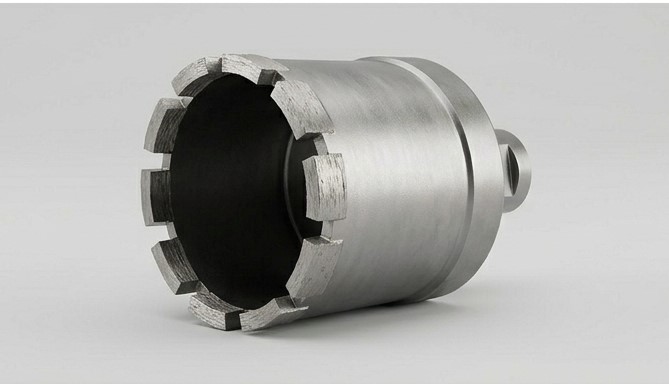
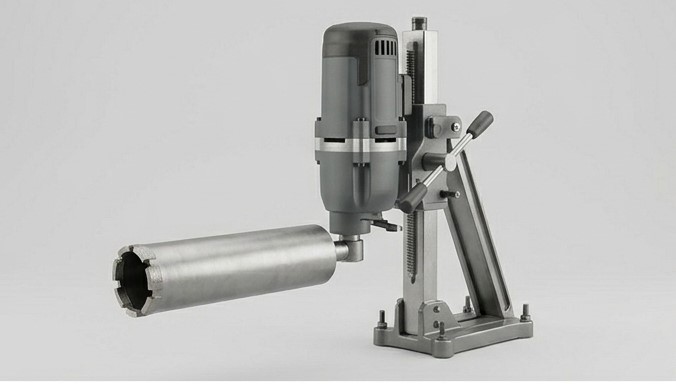
Core tool system components include:
- Core drill motor unit housing the motor and rotary mechanism
- Diamond core bits in various diameters from 12mm to 600mm+
- Drill rigs and stands providing stability for large-diameter coring
- Water coolant systems reducing heat and controlling dust
- Vacuum systems collecting slurry during wet drilling operations
- Extension rods enabling deep-core extraction beyond single-bit length
- Anchoring systems securing rigs during rig-mounted operations
<cite index=”3-1″>Unlike percussive methods which break material by impact, diamond drilling uses a spinning motion (rotary) to cut through material via abrasion. The tiny diamonds on the tool’s cutting edge grind material down through constant friction as the drill rotates, eliminating the structural vibrations and damage caused by hammering tools. In reinforced concrete, the diamonds wear away the material and cement while gradually slicing through embedded steel rebar, all while keeping complete precision.</cite>
<cite index=”7-1″>Diamond core bits have become an essential tool across industries that demand high accuracy, smooth finishes, and long-lasting performance. Industries such as electronics, optics, geology, tile installation, and stone fabrication rely heavily on diamond core drills to maintain consistency and prevent costly waste.</cite>
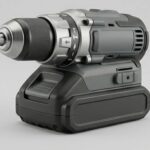
Two fundamental operational categories define diamond core tool selection. <cite index=”5-1″>Handheld diamond core drills are ideal for smaller holes and more maneuverable applications, providing flexibility and ease of use that allows professionals to quickly set up and start drilling in tight or awkward spaces. They are perfect for tasks such as drilling small-diameter holes for plumbing pipes, electrical conduits, and anchor installations in concrete walls or floors.</cite>
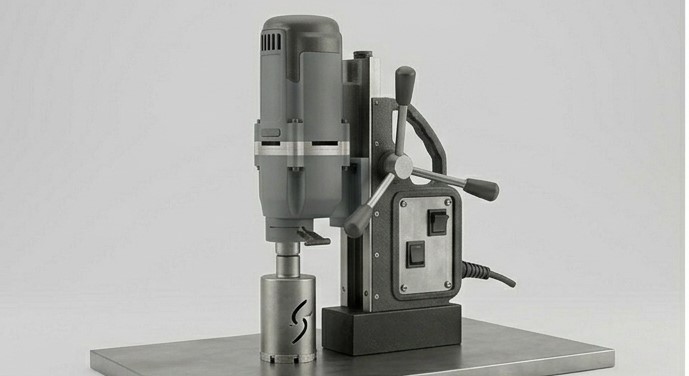
<cite index=”5-1″>Stand-mounted diamond core drills are designed for larger holes and heavy-duty applications. These drills are mounted on a stable stand, providing greater precision and control, especially when drilling large-diameter holes in thick concrete slabs or walls. Stand-mounted core drills are ideal for creating openings for HVAC ducts, large pipes, and structural reinforcements in commercial and industrial construction projects.</cite>
Wet and dry drilling capabilities distinguish tool configurations suited for different job site conditions. Wet drilling uses water coolant flowing through or around the bit, extending bit life significantly while controlling silica dust generated during concrete drilling. Dry drilling suits situations where water introduction creates hazards or is impractical, using vacuum systems to capture airborne dust meeting occupational health standards.
How Diamond Core Tools Operate
Understanding diamond core tool mechanics helps users select appropriate equipment and optimize drilling performance across different materials and site conditions.
Standard coring operational sequence:
- Assess material type, thickness, and any embedded reinforcement before selecting bit
- Mark hole center position accurately on the drilling surface
- Anchor drill rig or establish stable handheld position for smaller diameters
- Connect water supply or vacuum system appropriate to the drilling method
- Begin rotation at appropriate RPM for material type and bit diameter
- Apply consistent forward pressure allowing diamonds to engage material gradually
- Maintain water flow or vacuum continuously throughout the drilling pass
- Extract core sample or allow core to drop freely into cleared space below
- Remove bit carefully from completed hole and inspect cutting segments
<cite index=”3-1″>Drill Rigs provide stability and control, supporting vertical or angled drilling in various settings. Core Drill Units house the motor, rotary system, and drill head, driving the rotation necessary for cutting. Coolant Systems use water-based coolants that circulate through the bit to reduce heat, flush out debris, and minimize wear.</cite>
Diamond bit construction significantly affects cutting performance and longevity. <cite index=”7-1″>Sintered bits last longer due to multiple diamond layers, while electroplated ones offer faster cutting with a single diamond layer.</cite> Sintered segment bits suit heavy professional use in hard concrete and reinforced applications, while electroplated bits deliver faster initial cutting in softer materials or tile applications where bit longevity is less critical than cutting speed.
Bond hardness represents the matrix material holding diamonds within cutting segments. Soft bond formulations release diamonds quickly, exposing fresh cutting edges suited for drilling in hard, abrasive materials that wear bonds rapidly. Hard bond formulations retain diamonds longer, suiting softer materials where slow bond wear maintains cutting exposure appropriately. Mismatching bond hardness to material results in either glazing where diamonds become buried without self-sharpening, or premature bit wear from overly rapid segment consumption.
RPM selection affects both cutting efficiency and bit longevity across different diameter sizes. Larger diameter bits require slower rotation speeds maintaining consistent peripheral cutting velocity despite larger circumference. Small diameter bits operate effectively at higher RPM, completing cuts faster than large diameter coring that requires sustained lower-speed operation. Most professional core drill motors offer variable speed control enabling appropriate RPM selection across the full diameter range.
Water management during wet drilling affects both performance and worksite conditions. <cite index=”9-1″>Hilti makes a system that is a vacuum and a water pump. As long as you have electricity, the unit will pump the water to the core drill and recycle it and filter it out. You just fill the unit with water either at the job or before you get to the job and it lasts quite a long time.</cite> This closed-loop water management eliminates the need for continuous water supply connections, enabling wet drilling in locations without plumbing access.
Diamond Core Tools Provider Comparison
Major construction tool manufacturers and specialized diamond tool producers offer core drilling systems targeting different application scales, diameter capacities, and professional requirements.
| Brand | Core Strength | Diameter Range | Drilling Method | Ideal For |
|---|---|---|---|---|
| Hilti | Comprehensive system integration | 12–600mm | Wet and dry | Large commercial and infrastructure projects |
| Husqvarna | Industrial-grade rig systems | 25–600mm+ | Wet primarily | Heavy construction and civil engineering |
| Milwaukee | Contractor-friendly cordless | 12–150mm | Wet and dry | Portable trade use, electricians, plumbers |
| Diamond Products/Core Bore | Specialist coring machines | 25–350mm+ | Wet primarily | Professional concrete specialists |
| WEKA | Precision German engineering | 12–300mm | Wet and dry | Trade professionals, rig-based operations |
| Bluerock Tools | Value-oriented packages | 25–300mm | Wet primarily | Budget-conscious contractors |
| UKAM Industrial | Specialty material cutting | 6–300mm | Wet and dry | Stone fabrication, laboratory, electronics |
| U.S. Saws | Heavy-duty walk-behind | 25–500mm+ | Wet primarily | Infrastructure, municipal, industrial |
Hilti maintains global leadership in diamond coring through comprehensive system integration spanning cordless handheld units to heavy-duty rig-mounted machines. <cite index=”3-1″>Hilti is known for reliable handheld core drills and diamond bits, particularly popular for anchor installations and utility penetrations in construction.</cite> <cite index=”6-1″>Hilti’s diamond core drills and systems are designed for high productivity during wet or dry, and light or heavy-duty coring in concrete and masonry.</cite> Their Nuron cordless platform enables fully battery-powered coring from 12–162mm diameter without power outlet dependency, while their heavy-duty DD series handles rig-based operations up to 600mm diameter with optional Cut Assist autofeed systems for sustained deep coring.
Husqvarna serves heavy construction and civil engineering markets through industrial-grade rig systems emphasizing cooling innovation and bit durability. <cite index=”3-1″>Husqvarna is a leading manufacturer of both handheld and rig-mounted drilling systems, recognized for innovative cooling systems and durable diamond bits.</cite> Their construction division manufactures both drilling machines and proprietary diamond bits, enabling optimized system compatibility. Husqvarna core drills handle demanding applications including utility installations, roadwork, and large infrastructure openings requiring sustained high-output drilling performance.
Milwaukee delivers contractor-oriented diamond coring capability through their M18 and MX FUEL battery platforms. <cite index=”3-1″>Milwaukee is well-regarded for portable drilling systems with contractor-friendly features like ergonomic designs and powerful motors for handheld applications.</cite> Their cordless approach eliminates generator dependency on job sites without power access, while integrated water management systems maintain wet drilling capability without complex plumbing connections. The platform suits electricians and plumbers performing regular conduit and pipe penetrations requiring consistent medium-diameter coring capability.
Diamond Products/Core Bore provides specialist-grade coring machines targeting professional concrete drilling contractors performing high-volume work. <cite index=”5-1″>Core Bore and WEKA diamond core drills are essential tools for creating precise holes in tough materials such as concrete, masonry, and stone. These drills are equipped with diamond-tipped bits that provide superior cutting performance and durability, ensuring clean and accurate holes with minimal effort. Core Bore and WEKA offer both handheld and stand-mounted core drills.</cite> Diamond Products has manufactured professional coring equipment for decades, building a reputation for machine durability matching the demanding schedules of specialty concrete contractors.
WEKA brings German precision engineering to diamond coring through machines emphasizing accuracy and long operational lifespan. WEKA’s handheld models including the DK12, DK13, and DK16 serve wet coring applications across the diameter ranges most common in trade work. Their engineering approach produces machines built to withstand years of daily professional use, with robust motor housings and precision gear systems maintaining performance consistency throughout extended service life.
Bluerock Tools targets value-conscious contractors through competitively priced core drilling packages that include comprehensive bit sets. <cite index=”9-1″>The Bluerock Tools 12Z model does up to 12 inches and the package comes with 12 diamond coring bits, 1 inch through 12 inches. It cuts well through rebar, and for price versus performance offers excellent value.</cite> For contractors performing occasional large-diameter coring on specific project types, Bluerock systems provide adequate performance without the premium investment that specialty brands command.
UKAM Industrial Superhard Tools specializes in precision diamond core bits serving exacting applications in stone fabrication, laboratory research, and electronics manufacturing. <cite index=”7-1″>UKAM Industrial Superhard Tools manufactures core bits with controlled diamond distribution, optimized bond formulas, and improved segment geometry for enhanced performance.</cite> Their precision-engineered bits handle granite, ceramic, glass, composites, silicon wafers, and advanced ceramics where cutting quality and dimensional accuracy exceed typical construction requirements.
U.S. Saws addresses heavy infrastructure and municipal applications through walk-behind core drilling machines handling large-diameter requirements. <cite index=”10-1″>U.S. Saws specializes in high-performance core drilling machines and accessories built for durability and precision. Whether you need handheld drills for tight spaces or walk-behind machines for heavy-duty applications, their products are designed to meet the demands of the toughest projects.</cite> Their complete accessory ecosystem including drill stands, extension rods, and specialized drilling fluids supports comprehensive coring operations across infrastructure and industrial construction environments.
Benefits of Diamond Core Tools
Superior cutting precision through abrasive action: <cite index=”3-1″>Diamond drilling tools use synthetic or natural industrial-grade diamonds fixed onto the cutting edge. These diamonds cut through some of the hardest construction materials including reinforced concrete, asphalt, and natural stone without the structural vibrations and damage caused by hammering tools.</cite> This precision enables cutting immediately adjacent to existing utilities, structural elements, and sensitive equipment without risk of damage from percussion vibration.
Rebar and reinforcement capability: Unlike percussion drilling that deflects when encountering steel reinforcement, diamond core tools cut through rebar encountered during concrete penetration. <cite index=”3-1″>In reinforced concrete, the diamonds wear away the material and cement while gradually slicing through embedded steel rebar, all while keeping complete precision.</cite> This reinforcement capability enables coring in structural concrete where rebar location cannot be completely avoided.
Clean hole edges eliminating finishing work: Diamond coring produces smooth cylindrical walls requiring no additional finishing before installing pipes, conduits, or anchor systems. This clean cut quality eliminates chipping, spalling, and irregular edges that percussion drilling creates, reducing installation time for fittings and sealing systems requiring smooth, consistent contact surfaces.
Growing market demand creating stable tool investment value: <cite index=”1-1″>The global diamond core drilling market is projected to grow at a CAGR of 6.6% from 2025 to 2032, reaching $7.28 billion by 2032. Key factors include urbanization, smart city projects, and advancements in drilling technologies like AI integration and IoT-enabled equipment.</cite> This growing market ensures ongoing manufacturer investment in product development, parts availability, and technical support for professional users.
Diameter flexibility across a single tool platform: Core drill motor units accept different diameter bits through standardized thread connections, enabling single machines to handle hole sizes ranging from small anchor holes to large utility penetrations. This flexibility eliminates purchasing separate machines for different diameter requirements, reducing equipment investment while maintaining capability across diverse project requirements.
Wet drilling dust control meeting health standards: Water cooling systems suppress silica-containing dust generated during concrete drilling, addressing occupational health concerns from crystalline silica exposure. This dust suppression enables work in occupied buildings and confined spaces where dry drilling creates unacceptable airborne contamination affecting workers and building occupants throughout drilling operations.
Underwater and challenging environment capability: <cite index=”3-1″>For underwater work, diamond drilling equipment stays stable and cuts accurately even when submerged, making it ideal for marine construction and dam work.</cite> This environmental robustness extends diamond core tool applications into specialized infrastructure contexts where alternative drilling methods cannot operate effectively.
Drawbacks and Considerations for Diamond Core Tools
Significant upfront investment for complete systems: Professional-grade diamond core drill rigs with motor units, stands, water management systems, and comprehensive bit sets represent substantial capital investment. Entry-level professional systems from Hilti or Husqvarna start at several thousand dollars before bit inventory, with comprehensive setups for large-diameter work reaching tens of thousands. Contractors performing occasional coring often find rental more economical than ownership.
Water management requirements on many job sites: <cite index=”4-1″>These machines use diamond core bits with water cooling systems to cut large-diameter holes with precision.</cite> Managing water supply, slurry containment, and wet cleanup adds setup time and site management complexity compared to dry drilling alternatives. Multi-story building work particularly challenges water management, requiring pumps, containment systems, and slurry disposal plans before drilling begins.
Bond hardness selection requiring material knowledge: Selecting appropriate bit bond hardness for specific concrete formulations requires material knowledge that inexperienced operators may lack. Glazed bits drilling with inappropriately hard bonds, or prematurely worn bits from overly soft bonds in abrasive aggregate concrete, both increase operating costs and reduce productivity compared to correctly matched equipment.
Operator training affecting both results and safety: Core drill operation, particularly with rig-mounted systems performing large-diameter coring, requires training beyond basic power tool experience. Rig anchoring, water management, RPM selection, feed pressure management, and emergency procedures all affect both drilling quality and operator safety. Professional certification programs for diamond drilling operators exist in several markets addressing this training requirement.
Bit wear and replacement representing ongoing costs: Diamond bit wear rates vary significantly based on material hardness, drilling technique, water management effectiveness, and bit quality. <cite index=”7-1″>Lifespan depends on bond hardness, RPM, pressure, and material type. Proper usage greatly increases durability.</cite> Replacement bit costs accumulate meaningfully for high-volume drilling operations, making bit selection and technique optimization significant factors in overall project economics.
Weight and setup time for rig-mounted systems: Stand-mounted core drill systems require transport, positioning, and anchoring before drilling begins. Large motor units and steel drill stands weigh hundreds of pounds, requiring appropriate vehicle transport and mechanical handling. This setup overhead makes rig systems impractical for single-hole jobs or locations requiring frequent repositioning during project execution.
Dust and slurry management during and after drilling: Even with water cooling systems managing airborne dust, wet core drilling generates significant slurry combining water, pulverized concrete, and drilling debris. This slurry requires containment, collection, and disposal according to local environmental regulations, adding waste management responsibilities to drilling operations in urban and environmentally sensitive locations.
Pricing Overview for Diamond Core Tools
Diamond core tool costs vary substantially based on machine capacity, brand positioning, system configuration, and included accessories.
Entry-level handheld core drills for small-diameter work range from $300-800, typically handling holes up to 150mm diameter for trade applications including electrical conduit, plumbing pipe, and anchor installation work. These accessible machines suit tradespeople performing moderate coring frequency without full-time specialist coring focus.
Mid-range professional handheld systems from established brands including Milwaukee, WEKA, and Hilti’s lighter models range from $800-2,500 with included water systems and bit compatibility. These systems serve electricians, plumbers, and HVAC technicians for whom diamond coring is a regular but not exclusive daily activity.
Professional rig-mounted systems for medium to large-diameter work command $2,500-8,000 for motor units without stands. Adding drill stands, water management systems, and vacuum equipment increases total system costs to $5,000-15,000 before bit inventory. These investments suit contractors performing daily coring across commercial construction projects.
Heavy-duty industrial systems for large-diameter infrastructure work from Hilti, Husqvarna, and specialized manufacturers reach $15,000-50,000 for complete systems including high-frequency motors, hydraulic feed mechanisms, and comprehensive accessory packages. These systems serve specialized concrete cutting contractors and infrastructure project specialists.
Diamond core bit pricing varies based on diameter, quality grade, and segment type. Small-diameter bits for trade work typically cost $30-100 each. Medium diameters from 75-200mm range from $100-400 per bit. Large-diameter bits exceeding 300mm command $400-1,500 or more depending on segment count and quality grade. <cite index=”7-1″>A well-maintained bit can last significantly longer and deliver consistent results across multiple projects.</cite>
Bit set packages from value-oriented brands like Bluerock provide multiple diameter bits at combined pricing below individual bit costs. These packages suit contractors needing coverage across diverse diameter requirements without specialized bit optimization for specific material types.
Rental availability makes diamond core capability accessible for contractors needing occasional large-diameter coring without full ownership investment. Equipment rental costs typically range from $100-500 per day depending on machine capacity and local market pricing, representing cost-effective alternatives to ownership for infrequent use patterns.
Frequently Asked Questions
What materials can diamond core tools cut through? <cite index=”7-1″>Diamond core bits can drill granite, ceramic, glass, tile, composites, stone, concrete, silicon, and many other dense materials.</cite> Reinforced concrete including steel rebar presents no fundamental barrier to diamond coring, though rebar encounter reduces bit life compared to unreinforced concrete drilling.
What is the difference between wet and dry diamond core drilling? Wet drilling circulates water through or around the bit, cooling the cutting segments, flushing debris, and suppressing silica dust. Dry drilling suits locations where water introduction is impractical, relying on vacuum dust extraction to manage airborne particles. <cite index=”7-1″>For most materials, water cooling reduces heat, prevents dust, and extends the bit’s lifespan.</cite>
How do I select the right bond hardness for my application? Match bond hardness inversely to material hardness. Hard concrete requires soft bond bits that expose fresh diamonds rapidly as the bond wears. Soft or abrasive materials suit hard bond bits that release diamonds more slowly. When in doubt, consult the bit manufacturer’s application guide specifying bond recommendations for concrete compressive strength ranges.
Can diamond core drills cut through rebar? Yes. <cite index=”3-1″>In reinforced concrete, the diamonds wear away the material and cement while gradually slicing through embedded steel rebar, all while keeping complete precision.</cite> Rebar encounters accelerate bit segment wear compared to plain concrete, making bit selection and technique particularly important when working in heavily reinforced structural concrete.
What diameter diamond core bit do I need for common trade applications? Electrical conduit typically requires 25-50mm diameter cores. Plumbing pipe penetrations range from 50-150mm depending on pipe diameter. HVAC duct openings require 150-300mm+ diameter cores. Structural utility openings for large pipes and infrastructure often require 300-600mm capacity machines beyond standard handheld drill capability.
How often do diamond core bits need replacing? Replacement frequency depends on material hardness, technique quality, water management effectiveness, and bit quality grade. Professional-grade bits in average concrete typically produce dozens to hundreds of holes before requiring replacement, while abrasive aggregate concrete or poor water management reduces life significantly. Inspect cutting segments regularly for glazing, segment loss, or unusual wear patterns indicating replacement need.
What safety precautions apply to diamond core drilling? Wear appropriate PPE including eye protection, hearing protection, and respiratory protection for dry drilling operations. Secure drill rigs properly before operation to prevent unexpected movement under torque. Verify absence of embedded electrical conduit or other utilities in the drilling path before beginning. Follow water management protocols preventing electrical hazards when wet drilling near electrical systems.
Is renting diamond core equipment better than buying? For contractors performing occasional coring on specific projects, rental typically provides better economics than ownership given equipment cost, maintenance, and storage requirements. Contractors performing daily coring across multiple projects justify ownership through utilization rates enabling cost recovery within reasonable timeframes. Specialty large-diameter work often merits subcontracting to specialist firms regardless of frequency.
Conclusion
Diamond core tools represent essential precision equipment for construction professionals requiring clean, accurate holes through concrete, masonry, stone, and other hard materials that standard drilling methods cannot penetrate effectively. The combination of industrial diamond cutting technology, purpose-built motor systems, and comprehensive cooling infrastructure delivers hole quality that alternative approaches cannot match, particularly in reinforced concrete environments where rebar encounters and strict dimensional tolerances challenge conventional tools.
<cite index=”1-1″>The global diamond core drilling market is projected to reach $7.28 billion by 2032, driven by urbanization, smart city projects, and technological advancements.</cite> This growth reflects the increasing role of precise concrete penetration in modern construction, renovation, and infrastructure development across global markets.
Selecting appropriate diamond core tools requires honestly assessing hole diameter requirements, drilling frequency, material types encountered, and site conditions affecting water management. Electricians and plumbers performing regular small-diameter penetrations benefit from portable handheld systems from Milwaukee or Hilti’s lighter platforms. Heavy construction contractors drilling large-diameter utility openings justify rig-mounted systems from Husqvarna or Diamond Products. Budget-conscious contractors with occasional needs find Bluerock packages delivering adequate performance at accessible price points.
The investment in quality diamond core tools pays dividends through faster project completion, cleaner hole quality reducing fitting and sealing work, and reliable performance across the demanding materials that modern construction increasingly incorporates. Understanding the relationship between bit selection, bond hardness, water management, and drilling technique enables professionals to maximize tool lifespan while consistently delivering the precision results that structural and utility work demands.