
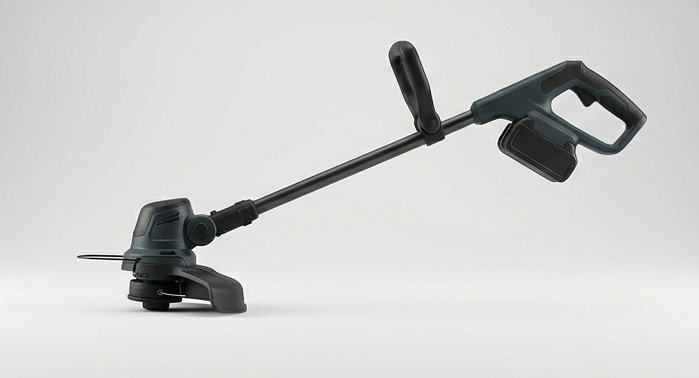
A cordless ground trimmer uses battery power to cut grass and weeds in areas lawn mowers cannot reach, including fence lines, garden beds, and tight corners. These tools eliminate gas mixing, pull cords, and extension cord limitations while delivering consistent cutting performance. This guide examines essential cordless ground trimmers available for yard maintenance and explains how to select equipment matching specific lawn sizes and trimming requirements.
Table of Contents
What Is a Cordless Ground Trimmer?
A cordless ground trimmer, also called a battery string trimmer or weed eater, is a handheld outdoor power tool that uses spinning nylon line to cut grass, weeds, and light vegetation. Unlike gas-powered alternatives requiring fuel mixing and pull-start mechanisms, cordless models run entirely on rechargeable lithium-ion batteries.
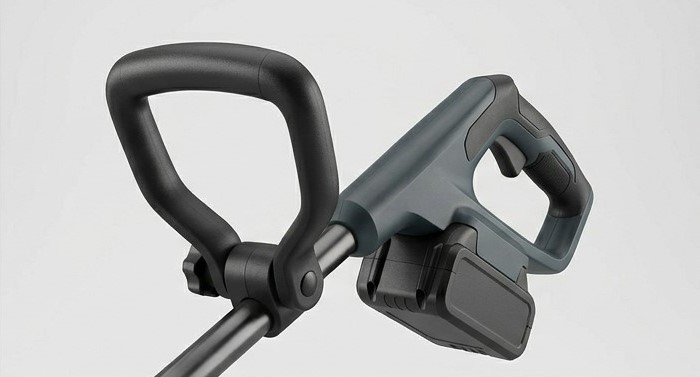
Core components include:
- Battery pack providing power (typically 18V to 80V systems)
- Brushless or brushed motor driving the cutting head
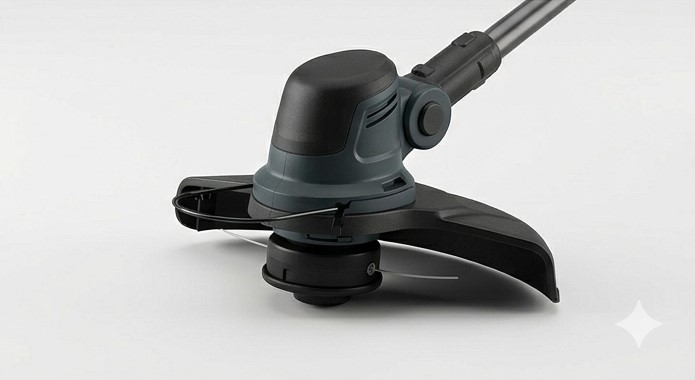
- Trimmer head holding nylon line that spins at high speed
- Adjustable shaft connecting motor housing to cutting head
- Variable speed trigger controlling rotation intensity
A string trimmer, also called a grass trimmer or weed wacker, consists of a long shaft with a cutting head on the end that spins nylon line at high speeds to slice through vegetation. This design allows precise trimming around obstacles that mower blades cannot safely approach, including tree trunks, fence posts, and garden borders.
Battery-powered lawn care tools have become increasingly popular because they’re convenient and eco-friendly. The shift away from gas-powered equipment reflects growing preferences for quieter operation, reduced maintenance, and elimination of exhaust emissions in residential settings. Modern cordless trimmers increasingly match gas equivalent cutting power while offering superior convenience.
The voltage of a trimmer’s battery indicates power output, with higher voltage generally meaning more cutting force. Most models run on a 20 to 80-volt battery, with more powerful batteries producing more torque that helps trimmers cut through thicker grass and weeds. This voltage range allows manufacturers to target different user needs, from light residential touch-ups to heavy commercial-grade clearing.
Cutting swath, also called cutting width, represents the diameter of the circular area a trimmer head covers during each pass. Trimmers with larger cutting swaths allow users to cover more ground in less time, while smaller cutting widths suit tighter spaces requiring precision work. Many premium models feature adjustable cutting heads accommodating both broad lawn areas and narrow garden pathways.
The distinction between trimmers and edgers matters for understanding tool selection. A string trimmer removes weeds and trims tall grass in hard-to-reach areas, while a lawn edger creates the defining line between lawn and sidewalk or driveway surfaces. Many cordless models now offer convertible functionality, switching between trimming and edging modes through head rotation or attachment changes.
How Cordless Ground Trimmer Operate
Understanding the mechanical operation of cordless trimmers helps users select appropriate models and use them effectively for different yard maintenance tasks.
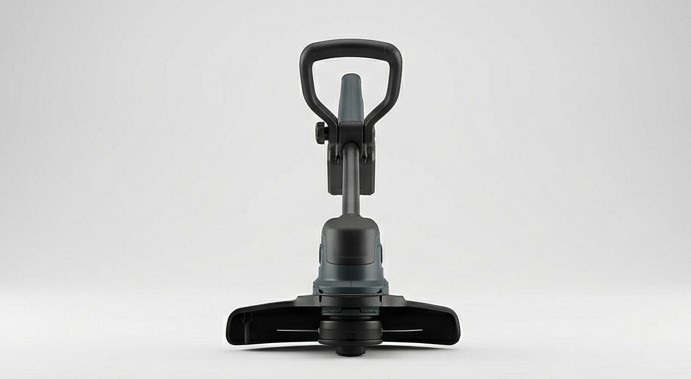
Standard operational sequence:
- Battery pack connects to trimmer housing through locking mechanism
- Trigger activation sends power to brushless or brushed motor
- Motor spins trimmer head at thousands of rotations per minute
- Centrifugal force extends nylon line outward for cutting contact
- Line slices through grass and weeds on contact
- Bump-feed or auto-feed systems release additional line as needed
Brushless motors represent the current standard for quality cordless trimmers, offering efficiency advantages over older brushed motor designs. Brushless motor string trimmers help deliver consistent power while supporting longer tool life and more efficient operation compared to brushed alternatives. These motors eliminate carbon brush components that wear over time, reducing maintenance requirements and extending equipment lifespan.
The line feed mechanism determines how trimmers release fresh cutting line as existing line wears down during use. A bump feed system requires users to tap the bottom of the trimmer head against the ground to release several inches of fresh line, while newer auto-feed sensor systems automatically gauge line length and release more when needed. Auto-feed systems reduce interruptions during extended trimming sessions but add complexity that occasionally causes feeding malfunctions.
Variable speed controls allow operators to match power output to specific cutting tasks. Lower speeds suit delicate work around flower beds and ornamental plants, while higher speeds tackle thick weeds and dense grass growth. This adjustability extends battery runtime by avoiding unnecessary power consumption during light-duty trimming.
Shaft design varies between straight and curved configurations, each offering distinct advantages. Straight shafts provide better reach under shrubs and around obstacles while distributing weight more evenly along the tool length. Curved shafts typically weigh less and feel more maneuverable for users primarily trimming open lawn areas without extensive reaching requirements.
Battery technology directly impacts runtime, power output, and overall tool weight. Lithium-ion batteries have largely replaced older nickel-cadmium options due to superior energy density, faster charging, and reduced memory effect issues. Battery capacity measured in amp-hours combined with voltage determines total energy storage, with a 60-volt 2.5Ah battery providing up to 45 minutes of runtime on a single charge without power fade.
Attachment-capable systems extend trimmer functionality beyond basic grass cutting. Some manufacturers offer driveshare or expand-it systems that allow a single power head to connect with multiple attachments including hedge trimmers, brush cutters, pole saws, and edgers, saving money and storage space compared to purchasing separate tools. This modularity appeals to homeowners wanting comprehensive yard care capability without multiple individual power tools.
Cordless Ground Trimmer Provider Comparison
Major outdoor power equipment manufacturers offer cordless trimmers targeting different user segments from budget-conscious homeowners to demanding professional landscapers.
| Brand | Notable Model | Key Specifications | Ideal For |
|---|---|---|---|
| EGO | ST1623T POWERLOAD | Telescoping carbon fiber handle, Line IQ auto-feed, low vibration | Convenience-focused homeowners |
| Milwaukee | M18 Fuel Brushless | 25cc gas equivalent, 6200 RPM high mode, 11.5 lbs with battery | Pro-grade performance seekers |
| Greenworks | 80V 16-inch | Equivalent to 30cc gas engine, mid-range pro performance | Large property owners |
| Ryobi | 40V Expand-It | Attachment capable, ergonomic design, 11.1 lbs balanced weight | Multi-tool yard care needs |
| Husqvarna | 330iKL Combi | Single battery system, one-touch control pad, LED indicator | Professional landscapers |
| Worx | Nitro WP196 | Driveshare attachment system, 40V Power Share, gas-like performance | Versatile attachment users |
| Kobalt | KST 2580-06 | 80-volt battery, up to one hour runtime, 0.095-inch line capacity | Heavy-duty extended use |
| Black+Decker | LST140C | 40V MAX battery, 2-in-1 trimmer/edger, budget-friendly | Light-duty occasional use |
EGO focuses on user convenience through innovative features distinguishing their POWERLOAD line. The telescoping carbon fiber handle allows adjusting tool length rather than simply shifting handle position, while Line IQ automatically feeds line and PowerLoad makes reloading effortless. The brand emphasizes low vibration operation, though the proprietary line system may require purchasing EGO-specific replacement line for optimal performance.
Milwaukee brings professional tool expertise to cordless lawn equipment through their M18 FUEL platform. The brushless trimmer delivers approximately 25cc gas engine equivalent power, reaching 6200 RPM in high mode, suitable for regular maintenance and moderate overgrowth clearing. With compatible batteries, the tool weighs a reasonable 11.5 pounds, and the head-mounted motor design helps maintain forward balance during extended use.
Greenworks targets homeowners seeking professional-level performance without premium pricing. Their 80V model delivers equivalent power to a 30cc gas engine, positioning it within mid-range professional performance territory. This power output suits larger properties with substantial grass and weed coverage requiring extended trimming sessions.
Ryobi has established significant presence in cordless lawn care through ergonomic design focus. Their 16-inch string trimmer demonstrates excellent balance, with testers experiencing no arm and shoulder fatigue even after extended use of nearly half an hour, while weighing approximately 11.1 pounds. The Expand-It attachment system extends functionality across multiple yard care tools using shared power heads.
Husqvarna combines decades of outdoor equipment manufacturing experience with modern battery technology. The brand’s cordless string trimmers serve both homeowners and professional landscapers through high-quality electric motors paired with ergonomic, lightweight designs. Smart features including single battery systems and premium control pads with LED indicators simplify operation while maintaining precision cutting capability.
Worx distinguishes itself through the Nitro Power Share platform offering attachment versatility. The Driveshare system allows converting a single string trimmer into a hedge trimmer, brush cutter, pole saw, or edger, providing complete lawncare capability while saving money and storage space compared to purchasing five separate tools. This modularity particularly benefits homeowners with limited garage or shed storage space.
Kobalt delivers substantial power for demanding trimming tasks through high-voltage battery systems. With an 80-volt battery, certain Kobalt models provide gas-like power for up to a full hour, suitable for large or unruly properties requiring extended trimming sessions, while accommodating thick 0.095-inch professional-grade trimmer line. The brushless motor generates sufficient torque for consistently thick grass patches.
Black+Decker provides accessible entry points for budget-conscious buyers and occasional users. Their LST140C model offers light-duty trimming capability through a 2-in-1 trimmer and edger design powered by a 40V MAX lithium-ion battery, all at pricing below most competing models. This affordability makes cordless trimming accessible to homeowners hesitant about premium tool investments.
Benefits of Cordless Ground Trimmers
Elimination of gas maintenance hassles: Battery-powered trimmers remove fuel mixing, carburetor cleaning, and spark plug replacement requirements that plague gas equipment. Without gas mixing or oil changes, ongoing maintenance typically focuses simply on charging batteries and replacing trimmer line, dramatically simplifying tool upkeep compared to combustion engine alternatives.
Quieter neighborhood-friendly operation: Battery motors generate substantially less noise than gas engines, making early morning or evening yard work more considerate of neighbors. Battery-powered weed eaters typically run quieter than gas equipment, which proves helpful in residential neighborhoods where noise ordinances or community standards restrict equipment operation hours.
Instant start without pull cords: Cordless trimmers eliminate the frustrating pull-cord starting process common with gas equipment, particularly problematic in cold weather or after storage periods. Most cordless models power on simply through a trigger or push button, eliminating pull cords or warm-up time before beginning trimming work.
Cord-free mobility advantage: Unlike corded electric trimmers requiring extension cords, battery-powered models provide complete freedom of movement throughout yard spaces. Cordless operation allows moving around fences, trees, and garden beds without managing an extension cord, eliminating tripping hazards and reach limitations.
Reduced environmental impact: Battery-powered tools eliminate direct exhaust emissions associated with gas-powered equipment, contributing to better air quality during yard maintenance. This environmental benefit aligns with increasing homeowner preferences for sustainable lawn care practices.
Attachment system versatility: Many cordless platforms support multiple attachments sharing single power heads, reducing overall tool investment and storage requirements. This modularity allows expanding capability incrementally as needs arise rather than purchasing complete separate tools immediately.
Battery cross-compatibility within brands: Tool ecosystems sharing battery platforms across multiple product categories reduce overall investment for users already owning compatible power tools. A homeowner with existing drill or saw batteries from a specific brand can often purchase bare trimmer tools without duplicate battery costs.
Drawbacks and Considerations for Cordless Ground Trimmers
Limited runtime compared to gas equivalents: Battery capacity constrains continuous operation time, typically ranging from 20-60 minutes depending on power settings and battery size. Standard battery configurations provide up to 45 minutes of runtime on a single charge, requiring battery swaps or charging breaks for larger properties demanding extended trimming sessions.
Higher upfront investment for premium models: Quality cordless trimmers with substantial battery capacity and brushless motors command premium pricing compared to basic gas alternatives. Prices within the cordless trimmer category range broadly from $50 to $2,000, with capable mid-range options typically requiring $150-300 investment including battery and charger.
Battery degradation over time: Lithium-ion batteries gradually lose capacity through charge cycles, eventually requiring replacement after several years of regular use. This degradation reduces runtime progressively, potentially necessitating battery replacement costs separate from initial tool purchase.
Weight distribution challenges: Battery placement affects tool balance, with some designs creating front-heavy or back-heavy configurations causing fatigue during extended use. Testing reveals performance variations, with some models on the heavier side noticeably affecting comfort during longer trimming sessions.
Cold weather performance reduction: Lithium-ion batteries experience reduced capacity and power output in cold temperatures, affecting trimmer performance during winter maintenance or early spring cleanup tasks. This limitation particularly impacts users in northern climates requiring year-round yard equipment functionality.
Proprietary battery and line systems: Some manufacturers design exclusive battery platforms or specialized trimmer line incompatible with competitor products. Certain premium systems may require sticking to manufacturer-specific line for optimal performance, limiting consumer choice and potentially increasing long-term operating costs.
Vibration and ergonomic variability: Trimmer designs vary significantly in vibration control and overall ergonomics, with some models lacking attachment points for shoulder straps to redistribute weight from hands and arms. Models without tether points provide no easy way to add shoulder straps for transferring weight during extended use, potentially causing arm fatigue during longer sessions.
Pricing Overview for Cordless Ground Trimmers
Cordless trimmer costs vary substantially based on power output, battery capacity, brand positioning, and included accessories.
Budget-friendly entry models typically range from $50-100, often sold without batteries requiring separate purchase or compatibility with existing tool ecosystem batteries. These trimmers suit light residential use including occasional touch-ups and small yard maintenance. Power output remains modest, adequate for thin grass but struggling with thick weeds or extensive overgrowth.
Mid-range residential trimmers occupy the $100-250 space, typically including battery and charger in complete kit configurations. Premium homeowner options like Milwaukee’s M18 platform price around $249 including a substantial 6.0Ah battery and charger, delivering performance approaching professional-grade equipment while remaining accessible for residential budgets.
Professional-grade and high-voltage models command $250-500, featuring 60-80 volt battery systems delivering extended runtime and maximum cutting power. These premium options provide gas-like power for up to a full hour of continuous operation, suiting larger properties or professional landscaping applications requiring all-day equipment reliability.
Attachment-capable systems add $50-150 to base trimmer costs but eliminate purchasing separate dedicated tools for related yard tasks. The Driveshare or Expand-It platforms allow incremental expansion into hedge trimming, edging, or pole saw capability without complete tool duplication, providing long-term value despite higher initial investment.
Bare tool pricing without batteries or chargers typically saves $50-100 for users already invested in specific brand battery ecosystems. This approach particularly benefits homeowners owning compatible drills, saws, or other power tools from the same manufacturer, avoiding redundant battery purchases.
Replacement batteries represent ongoing costs as original batteries degrade over several years of use. Additional batteries enabling extended work sessions without charging interruptions typically cost $50-150 depending on capacity and voltage, representing meaningful investment for users with large properties or frequent trimming needs.
Replacement trimmer line constitutes minimal ongoing expense, with spools typically costing $5-15 and lasting multiple trimming sessions depending on vegetation density and trimmer usage frequency. Premium line varieties offering improved durability command slightly higher prices but reduce replacement frequency.
Frequently Asked Questions
What voltage cordless trimmer do I need for my yard? Smaller yards under quarter-acre typically work well with 20-40V trimmers, while larger properties benefit from 60-80V systems providing extended runtime and cutting power. Heavy weed clearing or thick grass conditions warrant higher voltage regardless of yard size.
How long do cordless trimmer batteries last per charge? Runtime varies significantly based on battery capacity and power settings, typically ranging from 20-60 minutes per charge. Higher capacity batteries measured in amp-hours provide longer runtime, with premium 6.0Ah batteries supporting extended trimming sessions compared to basic 2.0-2.5Ah options.
Can I use any brand’s battery with different trimmer brands? No, battery systems are proprietary to each manufacturer and not interchangeable across brands. However, most manufacturers design batteries compatible across their entire tool lineup, allowing single battery investment to power multiple tool types within that brand ecosystem.
What’s the difference between bump feed and auto-feed trimmer line systems? Bump feed requires manually tapping the trimmer head against ground to release additional line as needed. Auto-feed systems automatically detect line length and release more without manual intervention, offering convenience but adding mechanical complexity that occasionally malfunctions.
Should I choose a straight or curved shaft trimmer? Straight shafts provide better reach under shrubs and around obstacles with more even weight distribution. Curved shafts typically weigh less and feel more maneuverable for open lawn trimming without extensive reaching requirements. Choose based on primary yard layout and obstacle frequency.
How thick a trimmer line do I need? Standard 0.065-0.080 inch line handles regular grass and light weeds. Thicker 0.095-inch line cuts through denser growth and tougher weeds but requires more battery power and may reduce runtime slightly due to increased air resistance during operation.
Are attachment-capable trimmer systems worth the extra cost? Yes, for homeowners needing multiple yard tools including hedge trimmers, edgers, or pole saws. The shared power head eliminates purchasing separate complete tools, providing better long-term value despite higher initial trimmer investment compared to standalone models.
What maintenance do cordless trimmers require? Minimal maintenance focuses on keeping batteries charged, periodically cleaning debris from the cutting head and air vents, and replacing trimmer line when worn or broken. Unlike gas equipment, no oil changes, spark plug replacement, or fuel system maintenance applies.
Conclusion
Cordless ground trimmers have transformed yard maintenance by eliminating gas engine hassles while delivering increasingly powerful cutting performance through advancing battery technology. The combination of brushless motors, higher voltage battery systems, and thoughtful ergonomic design has narrowed the performance gap between cordless and gas equipment to the point where most homeowners no longer need to compromise power for convenience.
Selecting the right cordless trimmer requires balancing yard size, vegetation density, budget constraints, and existing tool ecosystem investments. Smaller properties with light maintenance needs manage well with budget-friendly 20-40V models, while larger lots or thick growth conditions justify investing in 60-80V professional-grade equipment. Attachment-capable systems provide additional value for homeowners seeking comprehensive yard care capability from shared power platforms.
The shift toward battery-powered outdoor equipment continues accelerating as manufacturers improve battery density, reduce charging times, and enhance motor efficiency. This technological progression suggests cordless trimmers will continue closing remaining performance gaps with gas alternatives while maintaining inherent advantages in noise reduction, maintenance simplicity, and environmental impact.
For homeowners ready to transition away from gas-powered yard equipment, understanding voltage requirements, runtime expectations, and brand ecosystem considerations enables confident purchasing decisions. The investment in quality cordless ground trimmers pays dividends through reduced maintenance time, quieter operation respecting neighborhood standards, and consistent performance supporting well-maintained outdoor spaces throughout growing seasons.